Donald Trump’s sudden eagerness for a trade deal has lifted Chinese markets
- More than Beijing’s stimulus measures or a dovish Fed, it has been the US president’s need for a political win that has spurred a rally in China’s stock markets. This, however, may not last

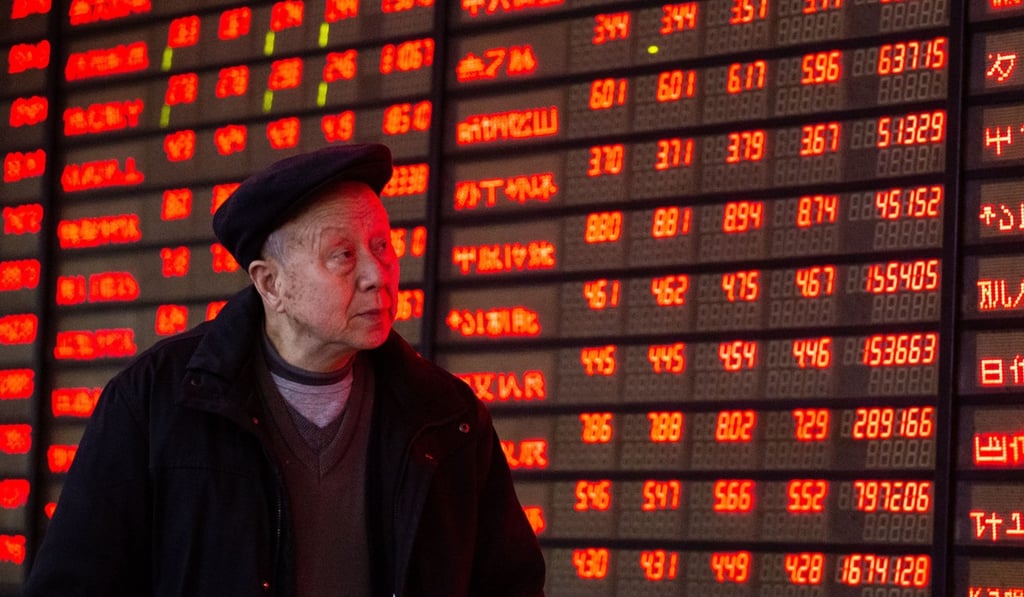
On Monday, the benchmark Shanghai Composite Index rose above the 3,000-point level for the first time since last June, taking its gains since the beginning of this year to a whopping 24 per cent, satisfying the popular definition of a bull market: a 20 per cent rally from a recent low.
China’s other main stock indices are also in bull market territory, with the ChiNext gauge of small caps and technology shares up a staggering 38 per cent since the end of January. In corporate debt markets the spread – or risk premium – on Chinese high-yield bonds has plunged 135 basis points this year, one of the sharpest declines among the leading emerging markets, according to data produced by JPMorgan. The yuan, meanwhile, has risen to its strongest level versus the US dollar since last July.
This year’s strong gains in Chinese assets have been part of a broader rally. The MSCI All Country World Index, a gauge of stocks in developed and developing economies, has increased more than 10 per cent this year, while the S&P 500 Index is on the verge of re-entering a bull market.
It was the adverse effects of Trump’s trade offensive on US business and consumer confidence, coupled with the broader tariff-induced slowdown in the global economy, that led to the Fed’s crucial decision in late January to take a “patient” approach to further changes in rates. Hints from Fed policymakers just after Christmas that a dovish tilt was forthcoming were enough to trigger a sharp rally across global markets. In early January, the yuan enjoyed its best week against the dollar since 2005, while the Shanghai Composite was up nearly 5 per cent by the end of the month, having dropped nearly 8 per cent in the last six weeks of 2018.