Can Malaysia’s new leaders stop the slaughter of pygmy elephants and other wildlife in Sabah?

Pygmy elephant populations have fallen due to the lack of effective government protection, so it came as no surprise to Friends of the Earth Malaysia when six pygmy elephants were recently slaughtered. As in many other cases, the investigation remains unresolved. As critically endangered as the pygmy elephants are, the stakes for this species are too high for such incidents to happen again.
The industry recognises the high demand and huge profits associated with palm oil. With expanding deforestation and the proliferation of oil palm plantations, elephants struggle to find food and are forced to feed on the fruits of the oil palm. Considered a pest or threat to palm oil production, the elephants are subject to the retribution of producers. Every year, animals across Sabah’s elephant home ranges are found either shot dead or poisoned, and the public often hears nothing about it.
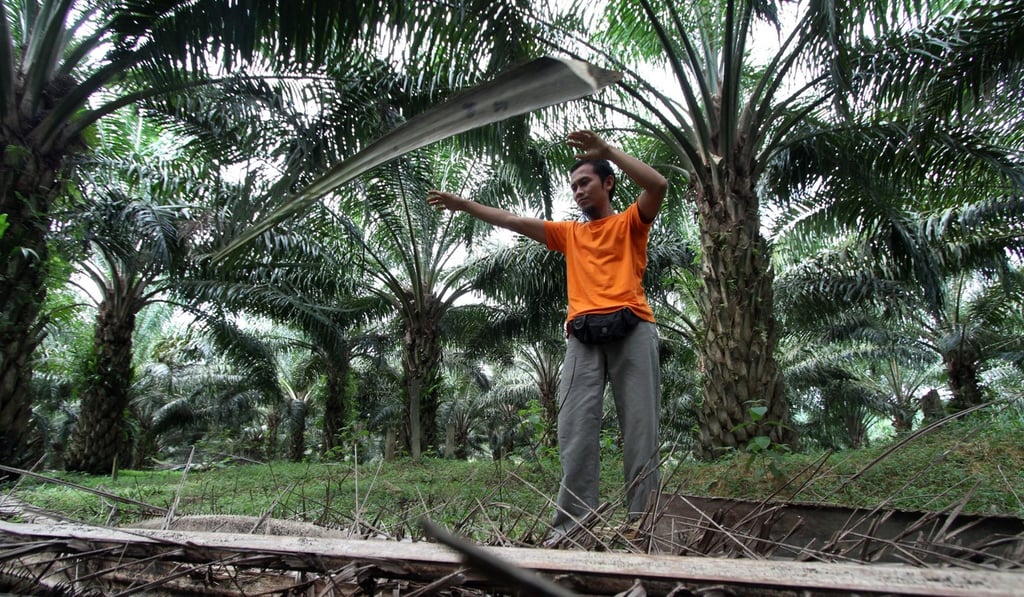
Palm oil is cheap, but it’s also an eco-disaster
The previous government clearly did not take effective action to prevent the deaths of pygmy elephants or hold anyone accountable. Moreover, it did not have the political will to adopt more drastic actions affecting big logging companies and plantations. An action plan for the conservation of the Bornean elephant has yet to be implemented.