Advertisement
What urban planners could learn from Tai Yuen Street’s community bonds versus Lee Tung Avenue’s stylishness
1-MIN READ1-MIN

Cold bronze statues, high-class restaurants and shops, and pedestrianised boulevards greet visitors to the gentrified Lee Tung Avenue in Wan Chai. Meanwhile, nearby Tai Yuen Street is packed with warm small-scale family businesses selling clothes, food, flowers and toys. The way space is used in these two areas is a study in contrasts.
On Lee Tung Avenue, busking is prevented through regular patrolling by security guards and CCTV surveillance. Although there is a garden on the fifth floor of one of the buildings, it is not easily accessible, especially to the elderly and pregnant women due to the many stairs and intermittently functioning lift.
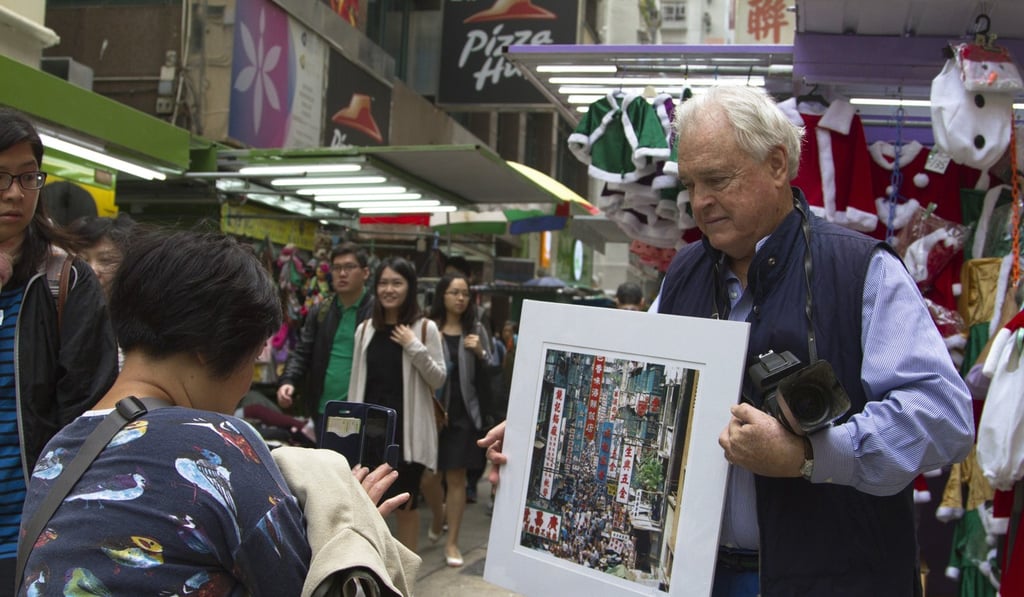
On Tai Yuen Street, restaurant owners put chairs and tables out to efficiently accommodate more customers. Flower shops display their plants on the street to maximise their exposure to sunlight and ventilation. Some people have even moved their dining tables and fitness equipment into the public space, blurring the public-private boundary.
Advertisement
Although this seems to violate the Town Planning Board’s principle of leaving a route for pedestrians to pass through, it strengthens community bonds. The local residents reorder the limited space based on their individual needs and preferences. This is different from supermarket-style freedom in which one is asked to choose from a pool of diversified yet preselected options.
Advertisement
Advertisement
Select Voice
Select Speed
1.00x