Advertisement
South China Sea needs more than a code of conduct to ensure regional maritime stability
2-MIN READ2-MIN

Jonathan Odom, a long-time US Navy professional advocate for and defender of provocative US naval activities in the South China Sea, and his co-author Collin Koh (“South China Sea safety depends on naval codes of conduct”, September 22) either misunderstand or are being disingenuous regarding the thrust of the argument in my article, “Naval code of conduct won’t make US-China encounters in South China Sea safer”, (September 6). As I clearly stated, the problem is that most such encounters are not unintentional but purposeful testing of limits and sending of “messages”.
The Code for Unplanned Encounters at Sea (CUES) and similar agreements will not make them friendlier or less frequent. CUES’ effectiveness is also diminished by its being non-binding and not applicable to coastguards.
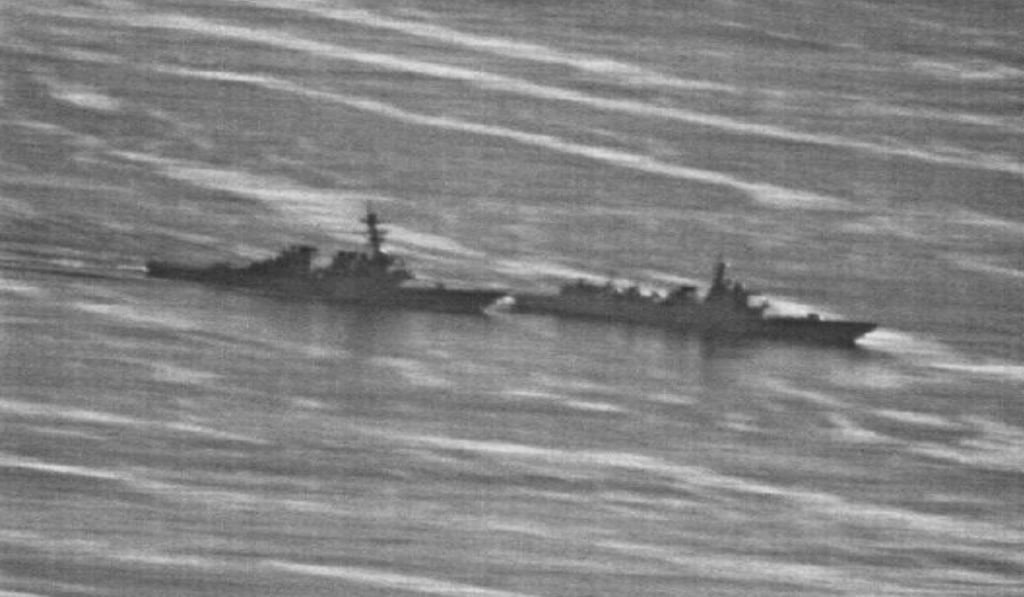
The allegedly “unsafe and unprofessional” manoeuvre of a Chinese destroyer near the USS Decatur around Gaven Reef on September 30 is a case in point.
Advertisement
In addition to US freedom of navigation operations and intelligence probes in China’s “near seas”, such intentional encounters also occur in disputes between Asian countries, like the March 2005 naval jockeying around Ambalat between Indonesia and Malaysia or the ongoing China-Japan skirmishes in the East China Sea. There are likely to be many more examples as Asian countries increasingly use gunboats and warplanes to defend their maritime claims.
Advertisement
Expecting a communications and manoeuvring regime like CUES to, in Koh’s words, “promote regional maritime stability” or reduce the seriousness of such incidents is unrealistic.
Advertisement
Select Voice
Select Speed
1.00x