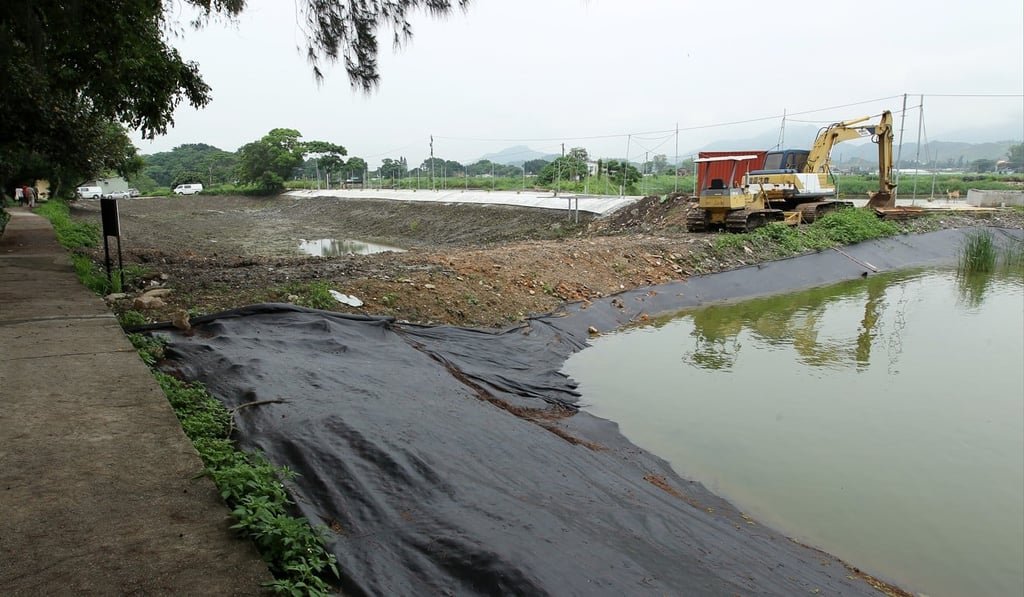
LettersHong Kong’s Mai Po wetlands kept strong by buffer areas
- A push to relax the plot ratio in the wetlands buffer area ignores the damaging effect of tall densely packed buildings so close to the fragile ecosystem

Wetlands are one of the most vulnerable ecosystems on earth. In Hong Kong, the Mai Po nature reserve and the surrounding Inner Deep Bay wetlands act as the overwintering site and way station for tens of thousands of migratory waterbirds. Despite its importance, the wetland ecosystem is under the constant threat of damage from incompatible developments nearby.
Pressure is again mounting to develop the area. A move in recent months to try and change the planning guidelines for the area, if successful, will make the conservation effort even more challenging.
The Mai Po reserve, Inner Deep Bay and the nearby fish ponds and mudflats have been designated a “Ramsar site” since 1995, protected by an international wetlands convention managed by Unesco. To safeguard its fragile ecosystem, Hong Kong’s Town Planning Board has introduced a set of guidelines to control development of the area, through the designation of a Wetland Conservation Area and a Wetland Buffer Area.
In the conservation area, new developments are not to be allowed unless they support the aims of conservation. Thus, some limited private developments may be permitted under a public-private partnership scheme, in return for the better management of the remaining fish ponds.
In the buffer area, all developments must be supported by an environmental impact assessment that shows that the adverse impact of development could be mitigated by positive measures.