LettersHow to help China’s rural children help themselves
- Volunteers need a better understanding of local situations and some teaching skills to truly support rural children
- Volunteer teaching trips should aim to teach soft skills instead of academic knowledge

Upon going to Guizhou, China, for a volunteer teaching trip last winter, I realised that such trips are not the most effective way to support rural children; instead, exposing them to various opportunities and helping them make use of resources would be more effective.
Volunteers need a better understanding of local situations and some teaching skills to truly support rural children. Prior to my trip, volunteers were only given a basic introduction to our students’ English standards and some teaching skills. Consequently, our lessons did not best match their interests and capabilities. Throughout the week, I improvised lessons to better cater to my students. I believe that the week may have helped my students consolidate some of their previously learned knowledge, but did not give them new knowledge or insight.
The purpose of volunteer teaching trips is to expose students to new opportunities and to support them in striving for these. This requires sustainable support and resources.
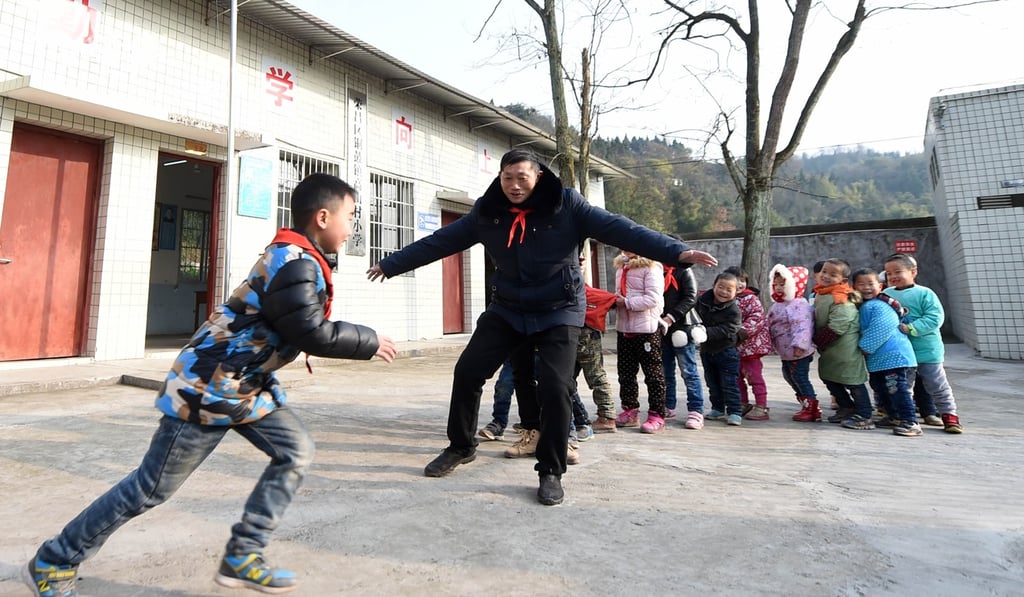
Online resources can be developed for rural students to ensure the same classroom curriculum as their urban peers, and the same chance of advancing to high school and university. Due to the lack of funding, there is a gap between rural and urban schools in educational quality, putting rural students at a disadvantage in academic attainment and public examinations. Volunteers could work with education companies in China to collaborate with rural schools in developing online platforms, so children receive as much educational content as possible and can achieve their academic potential just like their urban peers.