Advertisement
LettersBehind the Hong Kong protests is social instability rooted in a free market that favours the wealthy
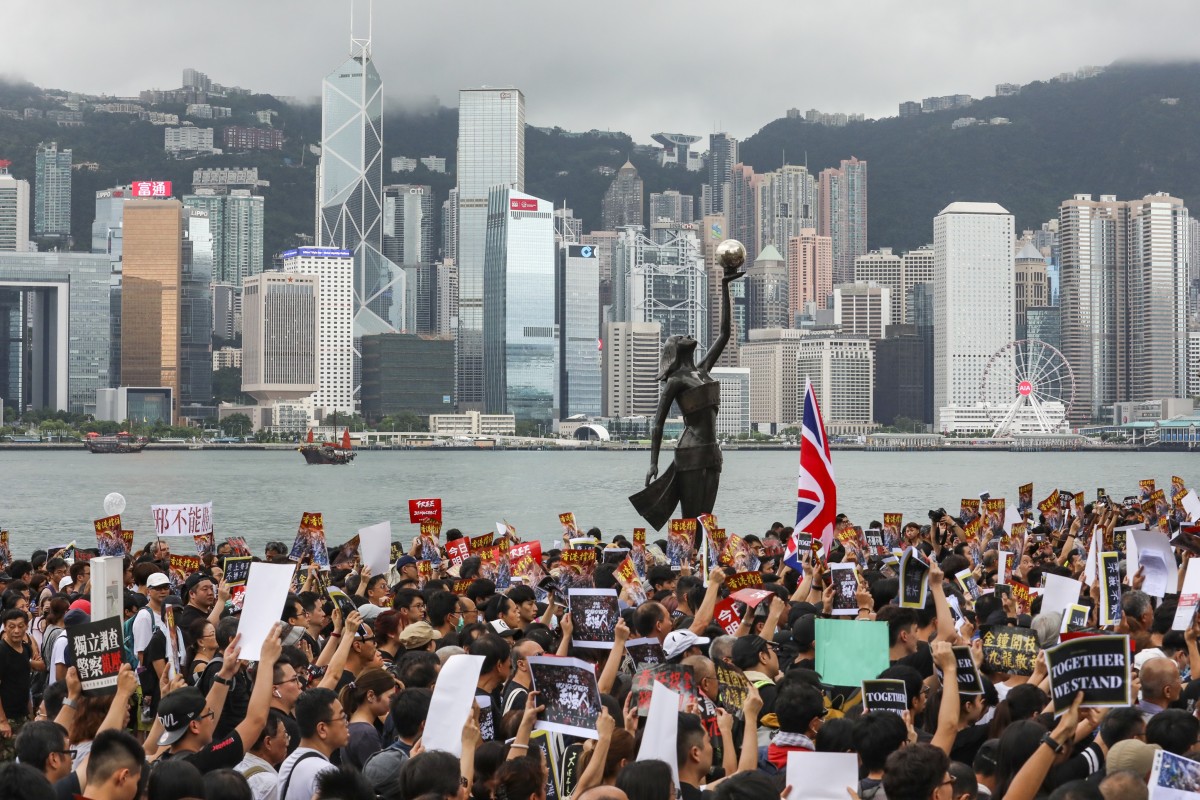
- The free market has neither alleviated the suffering of Hong Kong’s working class nor solved the housing problem. Rather it has allowed tycoons to profit
- The city needs tax reform so that government revenue does not rely on land sales
2-MIN READ2-MIN
I’m writing in response to James A. Dorn’s column “If protesters want to protect Hong Kong’s way of life, they must win the war of ideas” (August 2). Mr Dorn is a China specialist and a senior fellow of the Cato Institute, a conservative think tank similar to The Heritage Foundation, which often declares Hong Kong the “world’s freest economy” even as Hong Kong’s working class endures horrid living conditions here. Mr Dorn alludes to a “war of ideas” and criticises socialism with Chinese characteristics, even though China has made tremendous economic progress and enjoyed political stability. One wonders why Mr Dorn’s ideas about Hong Kong or China should be adopted.
China has not dictated how the US or other Western countries should run their economies or political systems, nor has it solicited advice from these free market theoreticians or think tanks. China has lifted at least half a billion people out of poverty, helping to alleviate poverty globally.
Another country which has done exceptionally well and which has not subscribed to neoliberal dogma but retains strong state control of the economy and political freedom is Singapore.
Advertisement
Hong Kong’s main problem is that the sacrosanct free market has become a political excuse for government non-interference, allowing tycoons and big businesses to freely game the system, gorge themselves on Hong Kong’s resources and create large wealth disparities that have contributed to our current social and political instability.
The policy of non-intervention has led to tycoons and big businesses privatising necessities like housing, health care, education and, through the Mandatory Provident Fund, retirement savings. This benefits the private sector at the expense of the public.
Advertisement
Select Voice
Select Speed
1.00x