Letters | How did Singapore quell protests? Carrie Lam could take a leaf out of Lee Kuan Yew’s playbook
- Riots rocked Singapore in the British colonial era but became unheard of under Lee Kuan Yew’s rule
- The late prime minister avoided the errors of predecessors who were either too soft or too hard on rioters
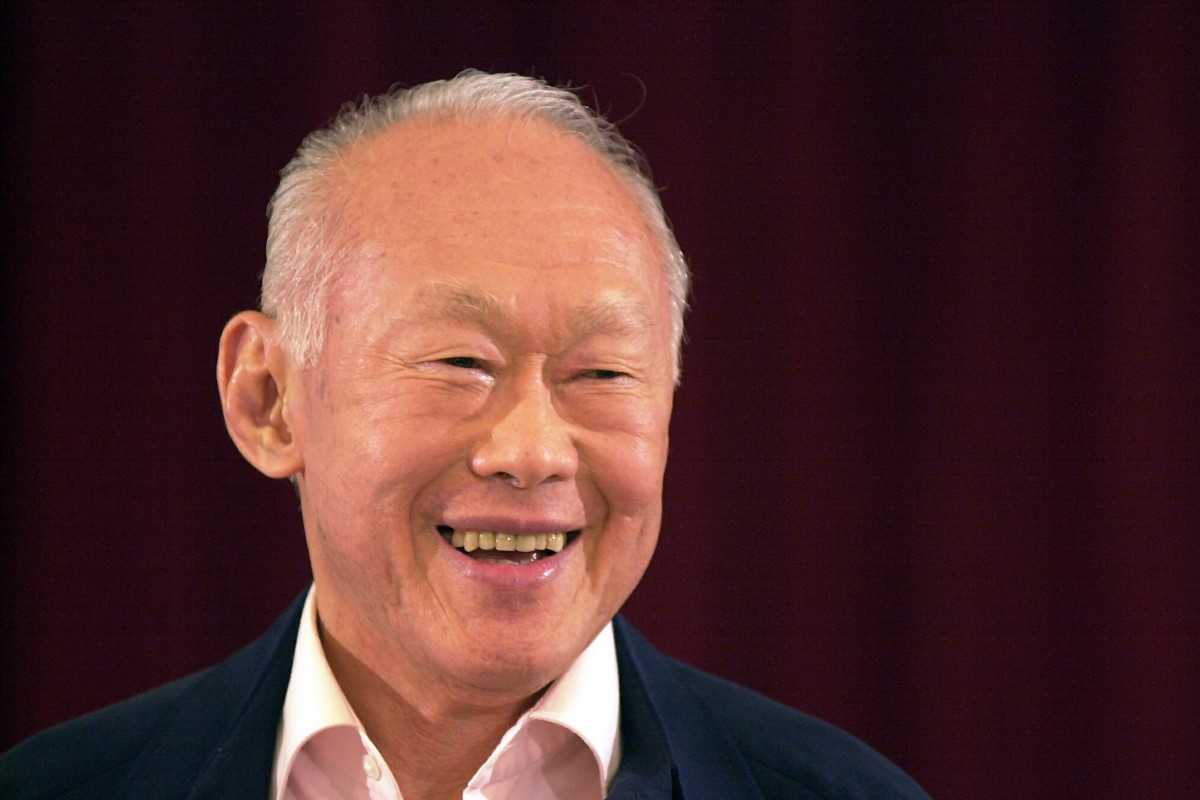
It is my sincere hope that Chief Executive Carrie Lam Cheng Yuet-ngor can end the protests in Hong Kong peacefully soon. To do so, she could learn a lesson from Lee Kuan Yew, the founding prime minister of independent Singapore.
The late Lee avoided the errors of his predecessors, the late David Marshall and the late Lim Yew Hock. When Marshall was chief minister of Singapore, riots and strikes rocked the island which was then a British colony. The British colonial rulers disliked Marshall because they deemed him too soft on the protesters. Marshall also had an uncooperative attitude towards the British colonial government. These were among the reasons the British refused to grant Singapore self-rule, causing Marshall to resign as chief minister.
The Hong Kong chief executive should avoid the two starkly opposite errors made by Marshall and Lim, by being either too soft on protesters or too hard in a clumsy, unwise manner.