Advertisement
LettersAs coronavirus forces Hong Kong to work from home, will businesses see the benefits of flexibility?
- Flexible workplace practices improve the work-life balance of employees in line with business goals.
- Such practices also help businesses to recruit and retain staff, and reduce absenteeism and turnover rates, increasing workplace productivity.
2-MIN READ2-MIN

I sometimes visit my friend’s information technology company, which employs around 10 staff, most of whom work from home. The space only contains some office equipment and a decently designed conference room to meet clients. That’s why I can use his office when I need it.
During the protests last year and the current threat of the new coronavirus, my friend’s company has been running as usual, simply because the employees need not work at a specific location under a rigid schedule.
The concept of “working from home”, also known as flexible workplace practices, is not new to us. We hear of it all the time. However, how many of us really enjoy such flexible working arrangements?
Advertisement
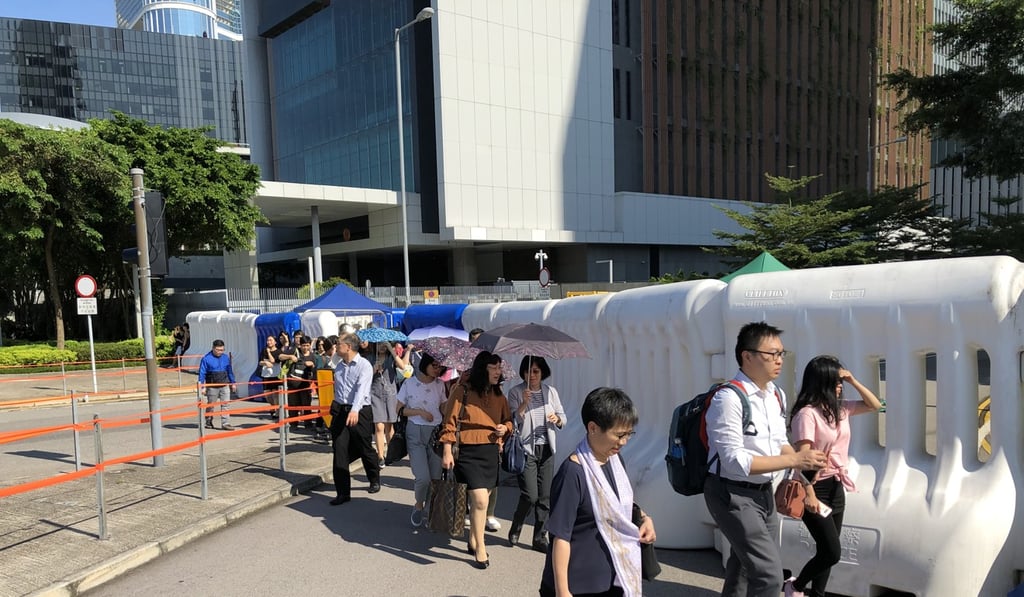
Now, as of January 29, civil servants are being asked to work from home, with private enterprise urged to do the same.
Advertisement
However, working from home is largely an emergency measure but not the usual practice in Hong Kong. This, despite the practice having grown popular in Western countries in the past decade. The percentage of employed people in the European Union who sometimes work from home has increased steadily, from 7.7 per cent in 2008 to 9.6 per cent in 2017.
Advertisement
Select Voice
Select Speed
1.00x