LettersCoronavirus threat must push Hong Kong to ensure its elderly in need eat delicious, nutritious food
- A study has found that about 30 per cent of the elderly surveyed are malnourished or at risk of malnutrition. Meal provision services badly need an upgrade and more should be done to ensure meal preparation at home is practical and safe

Malnutrition among older adults in Hong Kong is a public health issue that must not be overlooked. The impact of malnutrition on their health would jeopardise their quality of life and increase the burden on the health care system. Therefore we must develop feasible strategies to address the problem.
Recently, The Nethersole School of Nursing at the Chinese University of Hong Kong collaborated with the Neighborhood Advice-Action Council to assess the prevalence of malnutrition in the older population. We found that about 30 per cent of the 613 home-dwelling study participants were malnourished or at risk of malnutrition.
Notably, impaired vision, poor appetite and meal skipping were each found to cause an at least twofold increase in the risk of malnutrition.
At present, the catering services provided by community centres are limited to a small proportion of frail seniors, due to space limitations. To encourage older adults who are reluctant to pay for meals to eat regularly, the government could provide them with meal vouchers, rather than cash assistance.
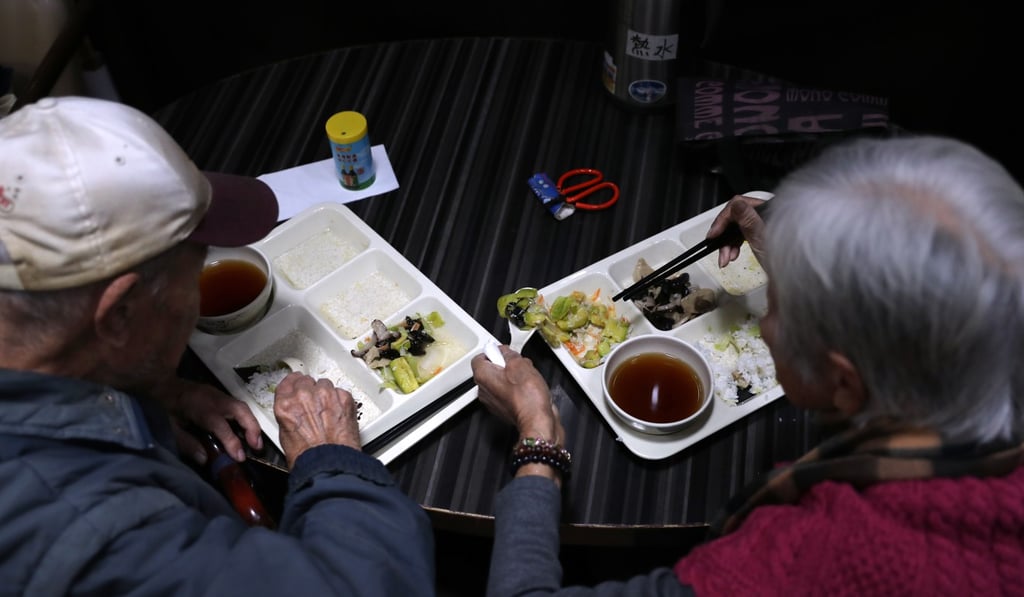
The current meals-on-wheel services for older people has been criticised because the food supplied is unappealing and not hot. Door-to-door delivery of frozen nutritious meals would enable older adults who possess basic cooking skills and appliances to reheat meals as needed.