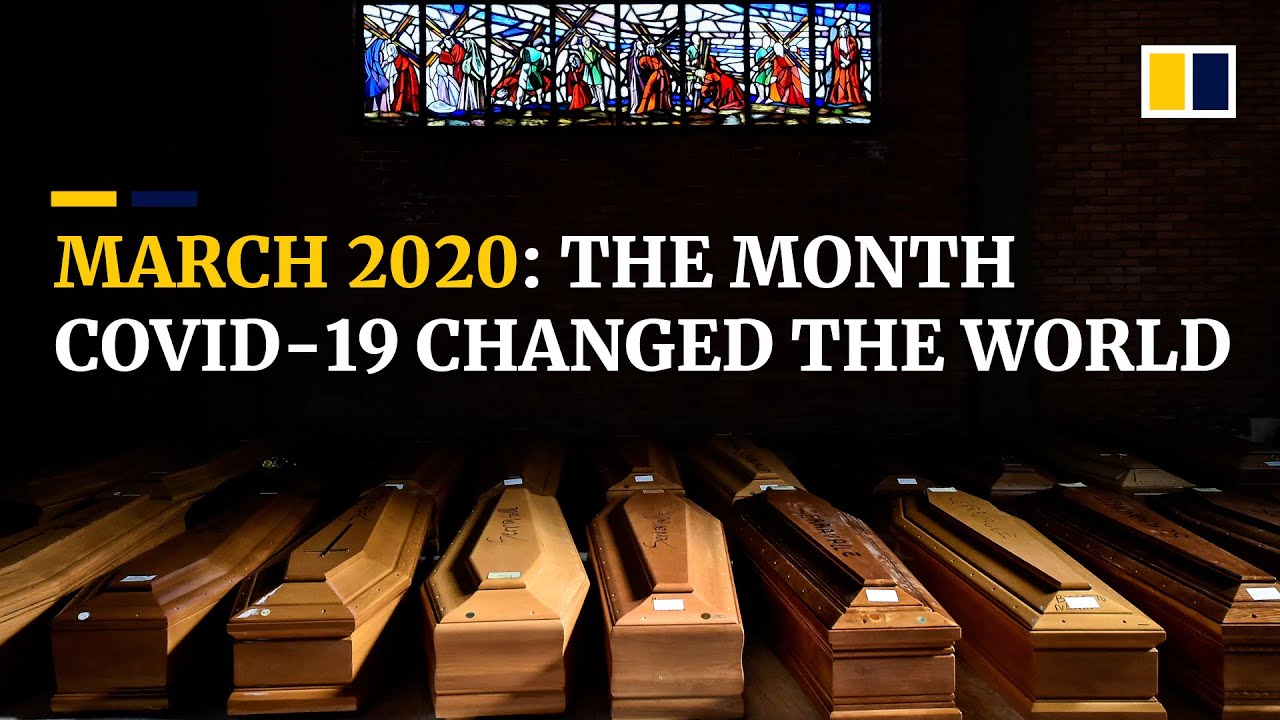
The Covid-19 mortality rate in
Italy is over 12 per cent, the world’s highest, partly due to its rapidly ageing population, with 23 per cent of citizens aged 65 or older.
Yet Japan, the world’s No. 1 ageing country, has a Covid-19 mortality rate of only over 2 per cent. The reason may be that the countries allocate treatment resources differently.
The Italian College of Anaesthesia, Analgesia, Resuscitation and Intensive Care recently issued guidelines, stating that during this extraordinary period when the resources of intensive care units are extremely scarce, the principle is to save patients with a “much greater probability of survival and life expectancy”.
That means young and healthy patients are likely to have the priority in receiving critical resources such as
ventilators.
A
New England Journal of Medicine article, jointly contributed to by three Harvard Medical School professors, cited an estimate from the US Centres for Disease Control and Prevention that up to 21 million Americans would require hospitalisation during the pandemic.
Up to 25 per cent of Covid-19 patients are believed to need ventilators. Millions of ventilators would be needed, but fewer than 170,000 are available in the US. Who should have priority?
To avoid medical workers directly responsible for the treatment being caught in a dilemma, and to reduce their psychological burden, the professors suggested that rationing be delegated to a triage committee composed of people with no clinical responsibilities for the care of these patients. The triage should exclude those who have suffered irreversible shock, assess the patient’s survival rate, and repeat assessing to check if the patient’s condition is improving.
This moral issue is also one that
self-driving vehicles face: in an unavoidable collision involving pedestrians, should an autonomous vehicle be programmed to sacrifice the young or the elderly, the rich or the poor?
“The Moral Machine experiment”, the result of a survey with 2 million respondents worldwide published in Nature, showed that a cluster of North American and European countries were far more inclined to sacrifice the elderly, compared to other “moral clusters” of countries, each grouped by their responses. But if you were thinking of your elderly relatives, would your response be different?