LettersCoronavirus crisis shows why Hong Kong must stop illegal wildlife trade and conserve global biodiversity
- Hong Kong remains a major transit point for the illegal wildlife trade and the number of consignments that go undetected is troubling. Strong action can help Asia’s World City shed its reputation as a haven for illicit wildlife trafficking
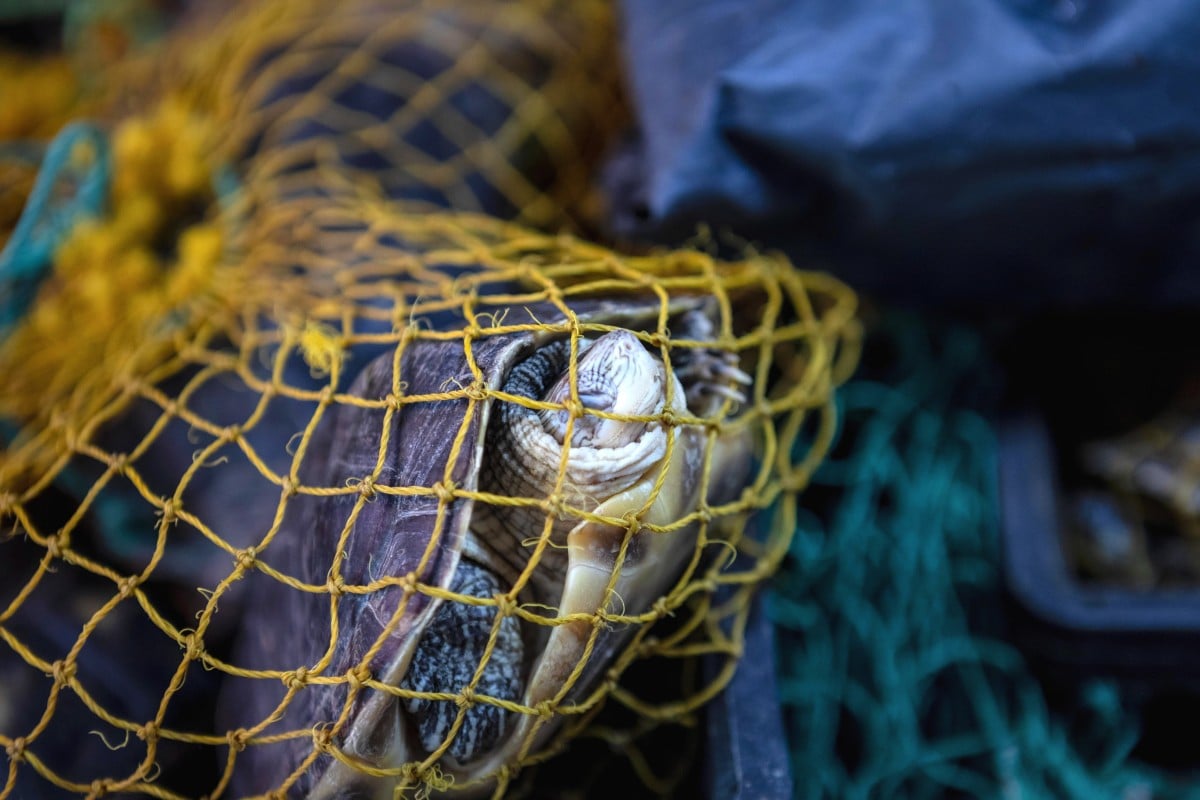
Following the 2003 Sars (severe acute respiratory syndrome) outbreak, a team of virologists led by Dr Vincent Cheng from the University of Hong Kong warned of a “time bomb” waiting to explode from China’s wildlife markets. As predicted, the Covid-19 pandemic emerged with devastating repercussions that are affecting every corner of the world.
Before the Covid-19 pandemic, illegal wildlife trade was one of the world’s most profitable illicit sectors, worth US$10 billion to US$23 billion a year and run by the syndicates that traffic drugs, arms and people. In the past decade, more than 2,000 wildlife species have been trafficked through Hong Kong, with a 57 per cent increase in the trade and a 1,600 per cent increase in profits.
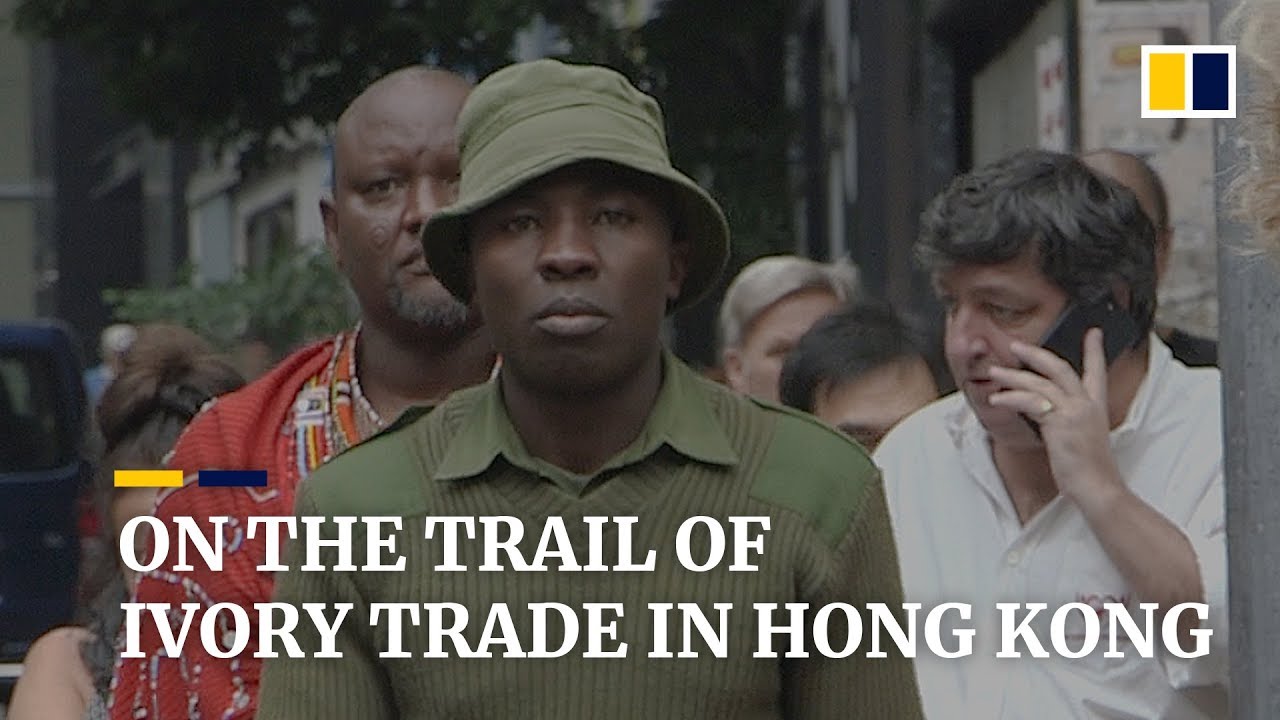
The intense global demand for wild meat, exotic pets and animal parts for medicines, ivory and curios is decimating wildlife populations and biodiversity, leaving us empty forests, savannahs, deserts and seas.