-
Advertisement
Human trafficking
OpinionLetters

Letters | Coronavirus pandemic bodes ill for Hong Kong’s trafficking survivors and domestic workers

  • As the pandemic rages on, increased economic hardship and declining living and working conditions provide ripe conditions for forced labour and human trafficking to flourish
Reading Time:2 minutes
Why you can trust SCMP
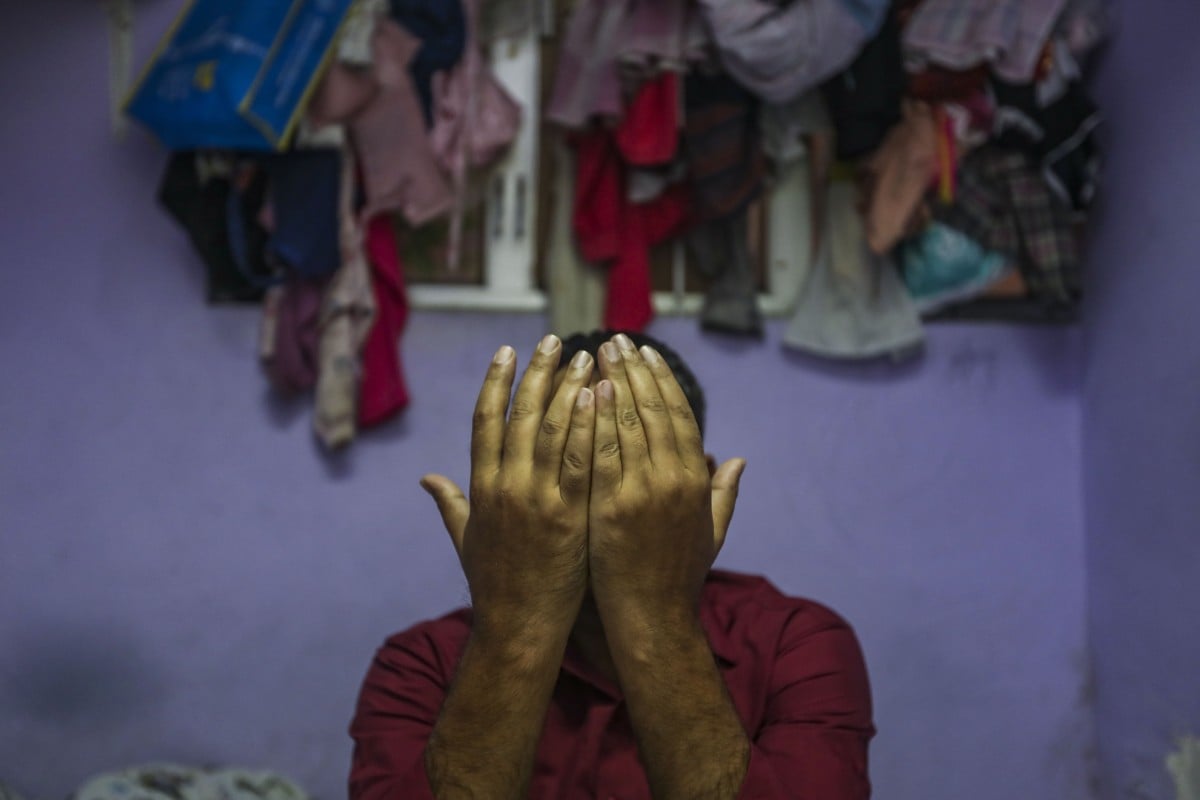
Survivors of human trafficking in Hong Kong are struggling amid the Covid-19 pandemic, with a sharp increase in anxiety, insomnia and suicidal tendencies as their cases are delayed. Photo: Xiaomei Chen
Letters
From travel bans to forced business closures and social restrictions, the economic fallout from Covid-19 has left a slew of casualties in its wake. Globally, nations are dipping into one of the deepest recessions in years. In Hong Kong, unemployment rates have skyrocketed to an over 15-year high of 6.2 per cent in April-June.
As reports continue to flood in about large-scale company retrenchments, business closures, workers having their hours reduced or forced to take no-pay leave, many employers and employees are likely to be wondering if they will make it through unscathed.
Increased economic hardship and declining living and working conditions provide ripe conditions for forced labour and human trafficking to flourish. Disruptions to global supply chains have already led to widespread income and job losses for millions of workers. Reduced mobility and limited access to essential services further exacerbate the everyday hardships of at-risk communities.
Advertisement

As the pandemic rages on, we are likely to see more vulnerable workers pushed into precarious and dangerous territory for survival, accepting risky job offers and falling victim to predatory human traffickers.

Survivors of human trafficking in Hong Kong are also struggling in these circumstances. At Stop Trafficking of People (STOP), a local anti-trafficking initiative, we have observed a sharp increase in anxiety, insomnia and suicidal tendencies among survivors. Factors contributing to this include survivors’ increasingly dire financial situations, delayed legal cases, disrupted repatriation schedules and prolonged family separation. Since few have legal status to work in Hong Kong, most are staying indoors with little to take their minds off their traumatic memories of exploitation.

Advertisement
Advertisement
Select Voice
Select Speed
1.00x