LettersWorld Cup: why Fifa should switch from TV broadcasts to internet streaming
- Readers discuss how Fifa could offer World Cup viewers globally a more interactive experience, Western criticism of Qatar’s human rights record, and sports’ power to break down barriers
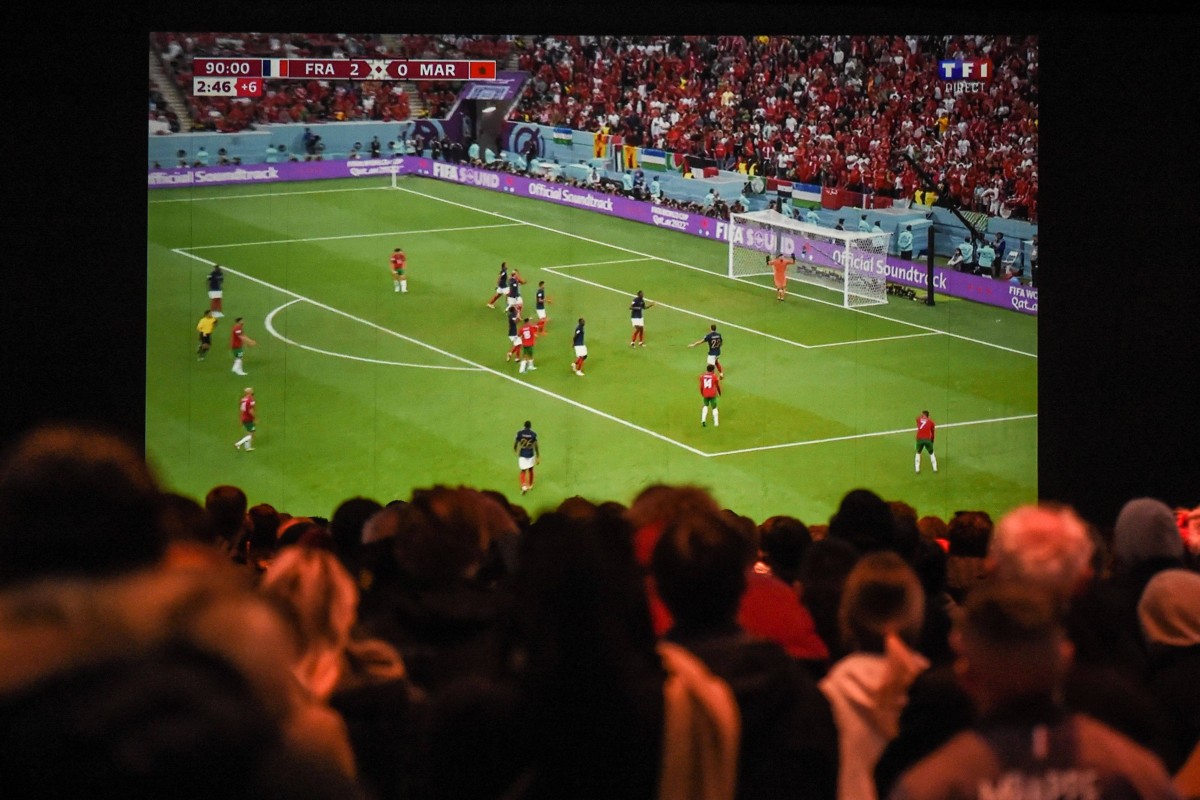
When a football game is broadcast on television, the audience is provided with real-time data, such as ball possession and the number of shots, to highlight which team dominated the game. With the advent of new technology, Fifa, football’s governing body, has introduced a set of new intelligence metrics, including the number of times opposition lines are broken, the pressure applied to a ball carrier and when a ball is lost due to pressure. These metrics offer the audience more context, but the information is only displayed on television a limited number of times.
For example, fans could check the metrics of their favourite players, such as ball possession and passes completed, to better understand their performance. Internet users might have the option of viewing matches from the perspectives offered by different cameras, including that of the video assistant referee, on multiple screens that are not accessible to television audiences.
Streaming matches on the internet would enable Fifa to explore creative ways to generate revenue. Instead of listening to television commentators, online fans could enjoy the matches with their favourite live-stream hosts on Tik Tok or YouTube and through the use of danmu, a commenting system where real-time messages are overlaid onto the video. Smart advertising could also be delivered to serve the needs of individual viewers.
A vibrant online community would create a better experience for fans and greater economic value for Fifa.