LettersEnvironmental assessment of Fanling golf course plan misled by inaccurate data
- Post readers discuss the environmental impact assessment of a housing plan on the Fanling golf course, and the need for context in a discussion of taxi complaints

My company was appointed by the Hong Kong Golf Club to undertake an audit of the EIA tree survey and found huge errors and omissions. We tagged 460 trees omitted from the survey, meaning the assessment failed to record between a quarter and a third of the 1,514 trees located on the proposed development site. Anyone can check this by a site visit.
Tree dimensions were also wrong – on average, only 86 per cent of actual tree girth, 76 per cent of actual tree height and 60 to 66 per cent of actual canopy spread. The tree felling, tree preservation and tree compensation proposals in the impact assessment are not based in reality.
The department has also failed to inform the advisory council that, in our assessment, 25 of the 29 large “trees of particular interest” at Fanling stand a good chance of being registered as “old and valuable trees”, a classification that would protect them from being removed. This would put the Fanling development site on a par with Kowloon Park (42 such trees) and Victoria Park (14 such trees) – two other locations with a similarly dense concentration of beautiful old trees.
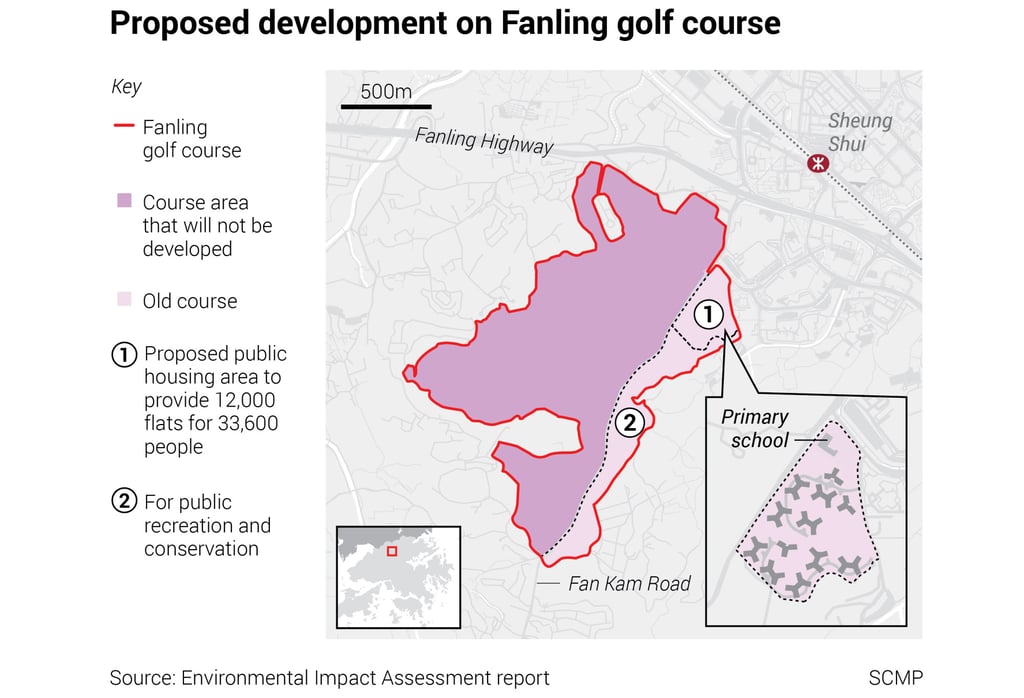
The inaccuracies and omissions in this and other aspects of the EIA, especially the landscape and ecological impact assessments, render the EIA’s findings unreliable and not a basis for sound decision-making.