LettersEnergy transition should not leave vulnerable communities in the dark
- Readers discuss the need to involve grass-roots communities in the crafting of climate solutions, the recent scandal engulfing a Hong Kong charity, and how to preserve the mental health of the city’s children
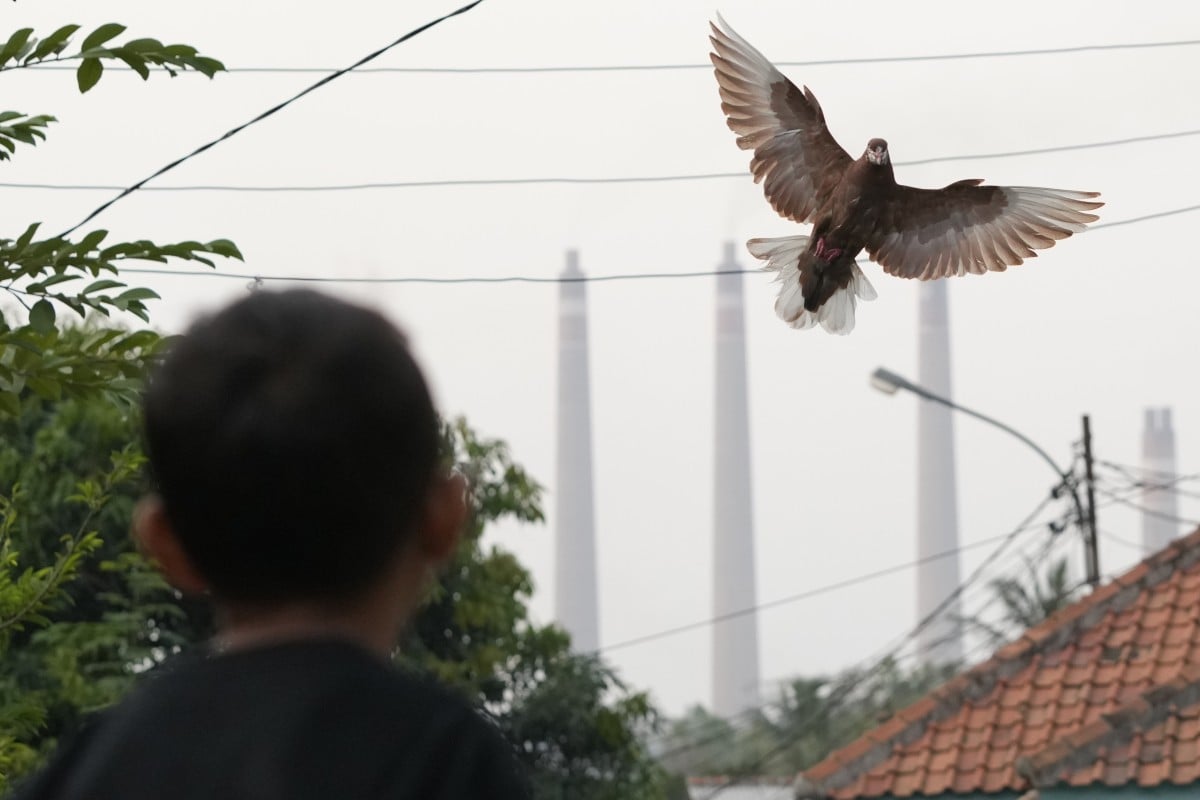
Unfortunately, the global discourse on climate action often fails to adequately include the vulnerable communities in the Global South who are most affected, such as people living in disaster-prone areas, women and children.
Yet, these communities have been showing remarkable resilience.
In Bangladesh, for instance, young people are coming together to discuss the direction of the country’s transition to renewable energy. To spread awareness, climate activists have made a short film to tell the story of people living near the Matarbari coal plant that Japan is funding. In rural Bangladesh, communities have joined hands with Grameen Shakti, a leading social enterprise, to improve access to solar energy.
In the Philippines, the Institute for Climate and Sustainable Cities’ Solar Scholar volunteers are building renewable energy systems for communities to use. This initiative highlights the broader objective of improving energy access for those in disaster-prone areas.