Letters | Australia has sent a strong message to both Asean and China
- Readers discuss Australia’s overtures to Southeast Asia at a summit this month, and the chances of India’s prime minister Narendra Modi returning to power
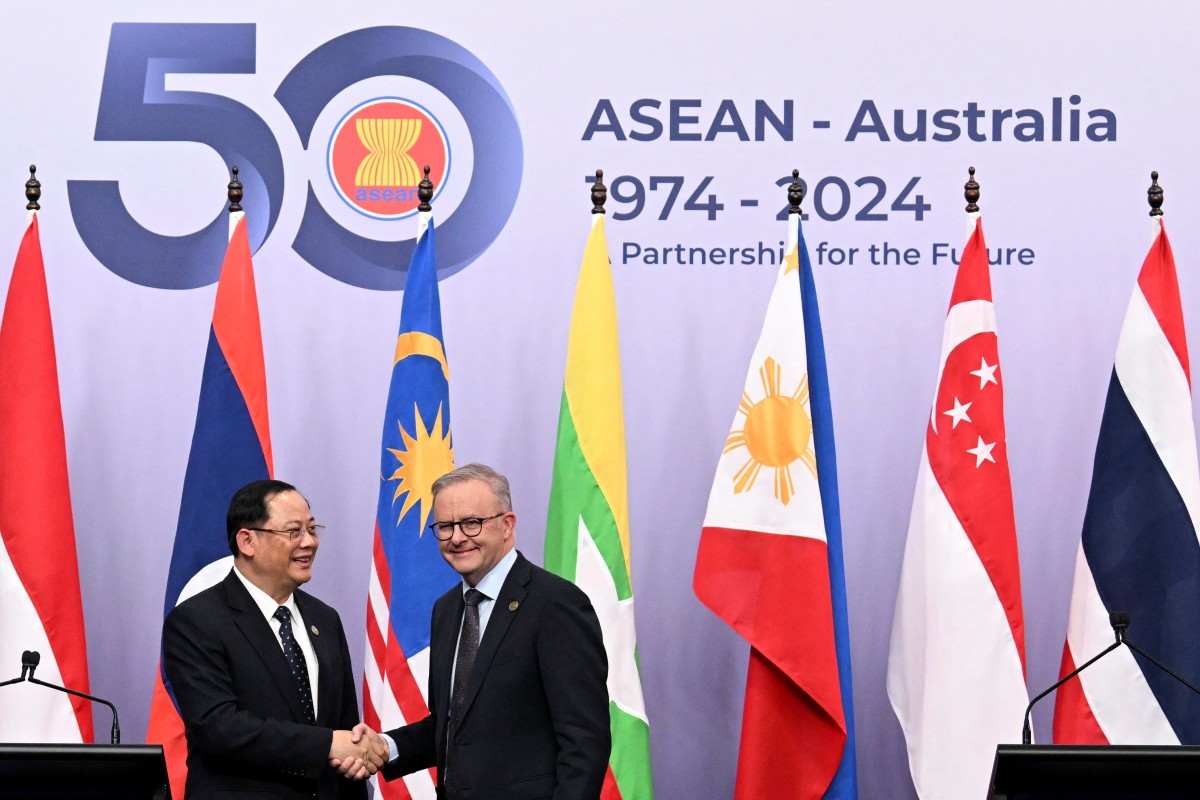
Australian Prime Minister Anthony Albanese emphasised his commitment to Southeast Asia at the close of the Asean-Australia Summit this month. This is in line with his party’s long-held desire to forge closer ties with the region, given Australia’s geographical reality. Australia, in turn, is viewed overwhelmingly through the lens of its close ties with Washington and its other allies.
As Albanese stated, more than any other part of the world, Southeast Asia is where Australia’s destiny lies. It remains the epicentre of the overall Indo-Pacific strategy and stability. For Australia, the region acts as a buffer against China to its north and as a connecting pathway to trade with East Asia.
As Beijing ramps up its bellicose actions in the sea, the legitimacy of Southeast Asian nations’ quest for greater alignment with the West will be naturally bolstered.
The Southeast Asian region remains critical to Canberra, especially in the domains of energy, trade, economic, supply chain and mineral security and resilience. Hence, the focus on security issues is inevitable.
This must not be seen as forcing one party to choose one side over another. The Association of Southeast Asian Nations has tended to be afraid of upsetting the apple cart. Recognising Asean’s centrality and neutrality is thus vital for Canberra to maintain buy-in from the region.
Canberra has communicated its commitment to Asean well both in economic and security terms.