-
Advertisement
Macroscope
Opinion
Neal Kimberley

Macroscope | From rare earths to soy, the trade war will force the US and China to diversify supply

  • The US has started looking into alternative suppliers for the elements that power hi-tech. Beijing has already done the same with soy, and even a trade war resolution won’t stop this process

Reading Time:3 minutes
Why you can trust SCMP
A worker inspects soybeans during the soy harvest near the town of Campos Lindos, Brazil. Brazil’s soy production took off as Japan sought to diversify its suppliers of the crop in the 1970s, and China is now benefiting from the South American country’s harvests as the trade war rages. Photo: Reuters
Even if Beijing and Washington eventually find a way to paper over their differences, there’s no going back to the way things were.

Vulnerabilities have been exposed. In the commodity space, US dependency on China’s rare earth metals and China’s reliance on American farmers for vast volumes of agricultural imports are no longer tenable options. 

That reality will have global implications in the commodity sector, just as occurred in the 1970s when, even though Tokyo and Washington were close allies, Japan’s relationship with the United States hit a bump in the road after the Nixon administration briefly banned US soy exports to Japan.

Advertisement

As for China and the United States, writing for Project Syndicate last week, Joschka Fischer, Germany’s foreign minister and vice-chancellor from 1998-2005, argued that the China-US trade war “has assumed the form of a hegemonic struggle”.
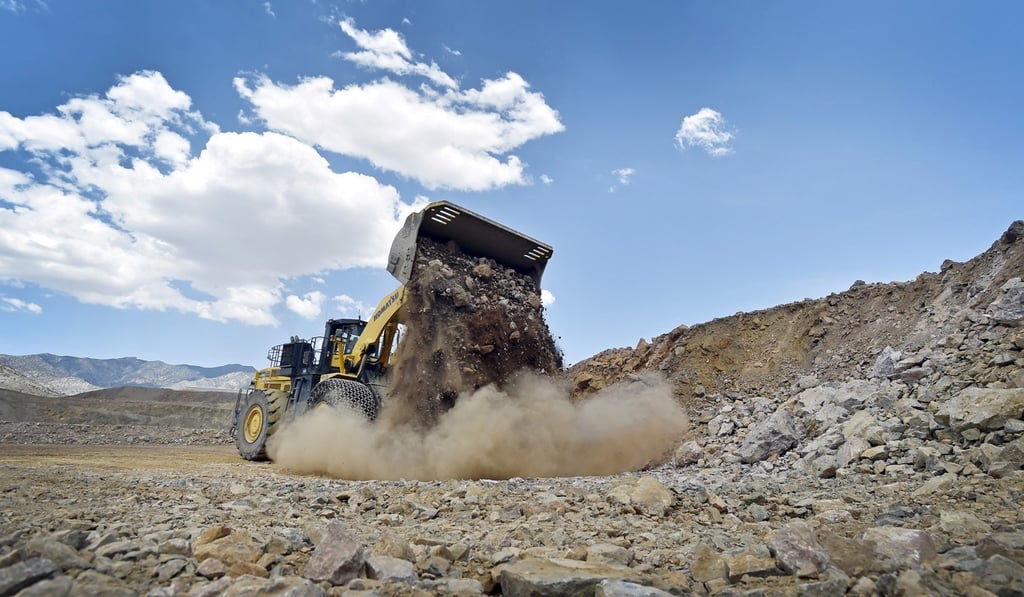
A front-end loader is used to move material inside the open pit at Molycorp's Mountain Pass Rare Earth facility in Mountain Pass, California. The US produces far fewer rare earth minerals than China and is heavily reliant on the world’s second-largest economy to meet demand. Photo: Reuters
Advertisement

If Fischer is right, then going forward, neither Beijing nor Washington will want to be too dependent on each other in any areas of strategic importance.

Advertisement
Select Voice
Select Speed
1.00x