How the Baoshang Bank takeover triggered a confidence crisis in small financial institutions and created a cash crunch in China
- Since May, when the tiny Baotou-based bank prompted regulatory intervention, bigger financial institutions have had reason to question whether smaller counterparts are worth the risk
The global bond market has enjoyed a decent rally since the start of the year, with US 10-year Treasury yields even dropping below the 2 per cent threshold last week, as the market sees that the Federal Reserve is about to cut interest rates aggressively to counter economic headwinds.
However, Chinese bonds have failed to join the rally; benchmark 10-year government bond yields have barely moved. As a result, the yield spread between the Chinese and US in 10-year bonds has widened to more than 120 basis points (bps), from 40 bps at the beginning of the year.
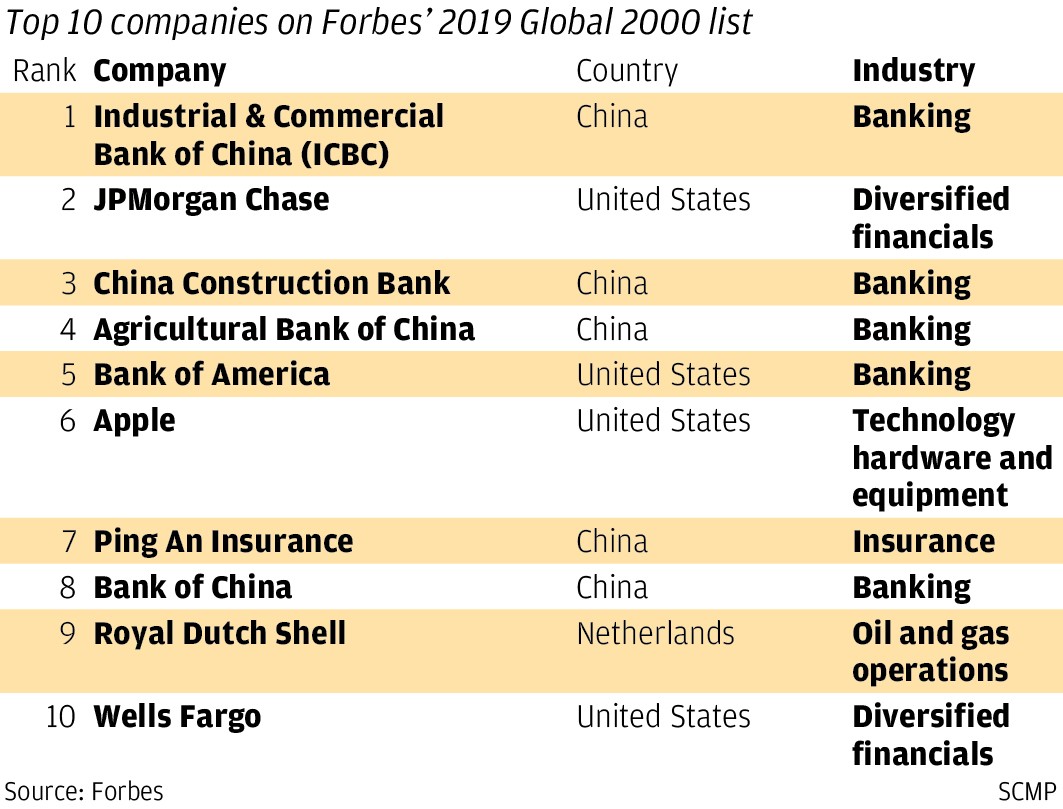
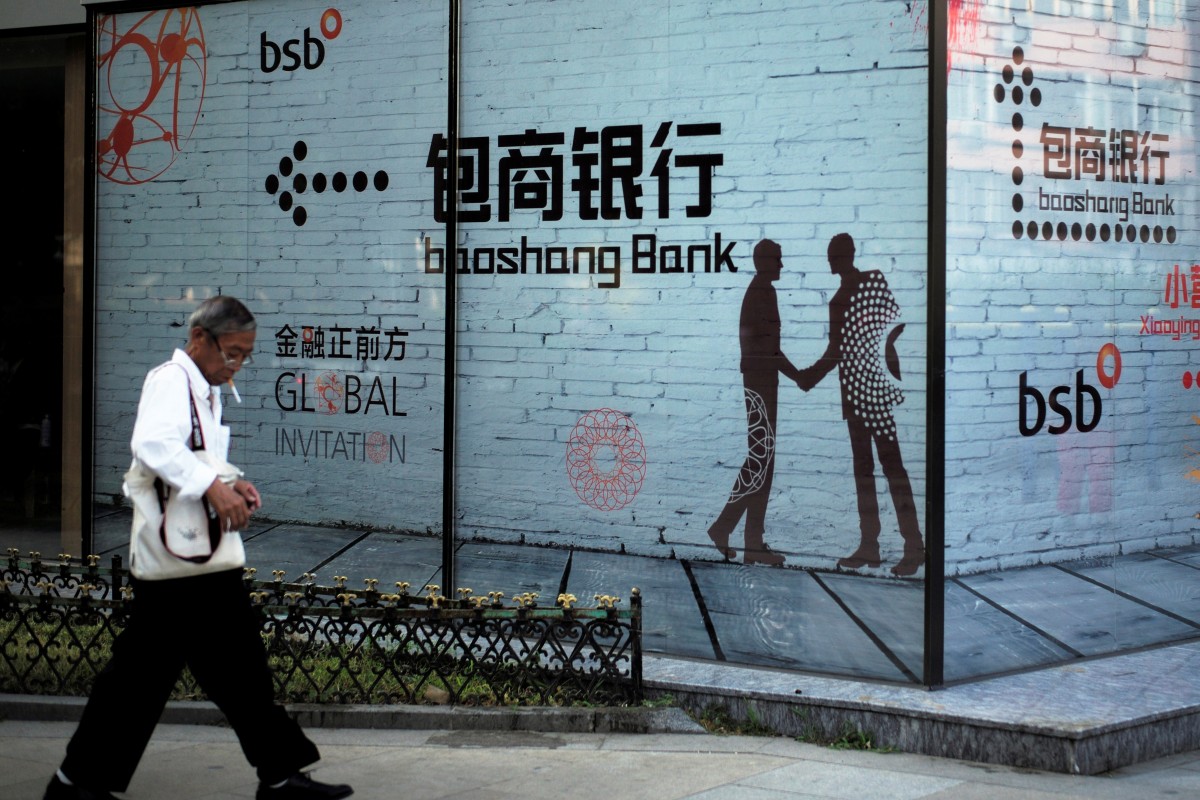
Baoshang is a commercial bank headquartered in Baotou, a small city with around 2.76 million residents. When it was taken over, Baoshang had about 576 billion yuan (US$83 billion) on its asset books – compare that to ICBC, China’s biggest bank, with assets equivalent to more than US$4 trillion.