Advertisement
Opinion
Hong Kong’s concept of ministerial accountability is as dead as the extradition bill. Perhaps it should be withdrawn
- The introduction of the accountability system in 2002 saw three ministers resign under public pressure in the first 18 months. But, since then, the idea of ministers quitting for their political failures seems to have been forgotten
3-MIN READ3-MIN

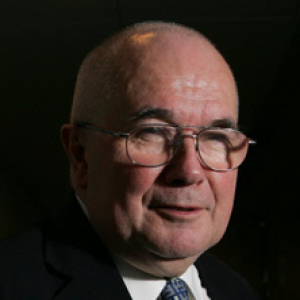
Mike Rowse has lived in Hong Kong since 1972, and is a naturalised Chinese citizen.
Does anyone else remember the high hopes Hong Kong’s political aficionados had when the ministerial accountability system was introduced in July 2002? In recent years, it seems to have fallen into disuse, which is a pity: it would have been really useful if it were still being practised during the controversy over extradition legislation.
The basic idea was simple: all bureau heads would no longer be civil servants, but political appointees who would report directly to the chief executive who identified them for formal endorsement by Beijing. These ministers would then be politically accountable for all matters within their policy area.
The first 18 months of the new system saw a flurry of incidents which fully tested its boundaries. The first was the penny stocks episode in July 2002. The stock exchange’s proposal, fully approved by then-secretary for financial services and the Treasury Frederick Ma Si-hang, was to delist all companies whose shares traded below 50 cents for 30 consecutive days. The proposal was poorly received, panic selling followed and the shares of 17 companies lost 30 per cent of their value.
Advertisement
Eventually, the chief executive of the stock exchange got the blame. Ma bowed in public by way of apology, but did not offer to resign.
The outbreak of the severe acute respiratory syndrome in 2002-2003 was the next issue to test the system. Then-chief executive Tung Chee-hwa asked the health secretary, Yeoh Eng-kiong, to reflect on his handling of the situation.
Dr Yeoh was heavily criticised for offering what was deemed to be misleading information about the disease. He resigned in 2004 to take responsibility but an official report later cleared all concerned of blame. Dr Yeoh was then honoured with a Gold Bauhinia Star in 2005.
Advertisement
Select Voice
Select Speed
1.00x