What Brexit supporters can learn from India pulling out of the Regional Comprehensive Economic Partnership
- While RCEP has been rightly critiqued as a ‘stapler’ deal, it is an important assurance that countries remain committed to multi-country liberalisation
- India’s withdrawal from the pact leaves the other 15 members in a quandary over whether to proceed or wait, and highlights the difficulty of concluding trade deals
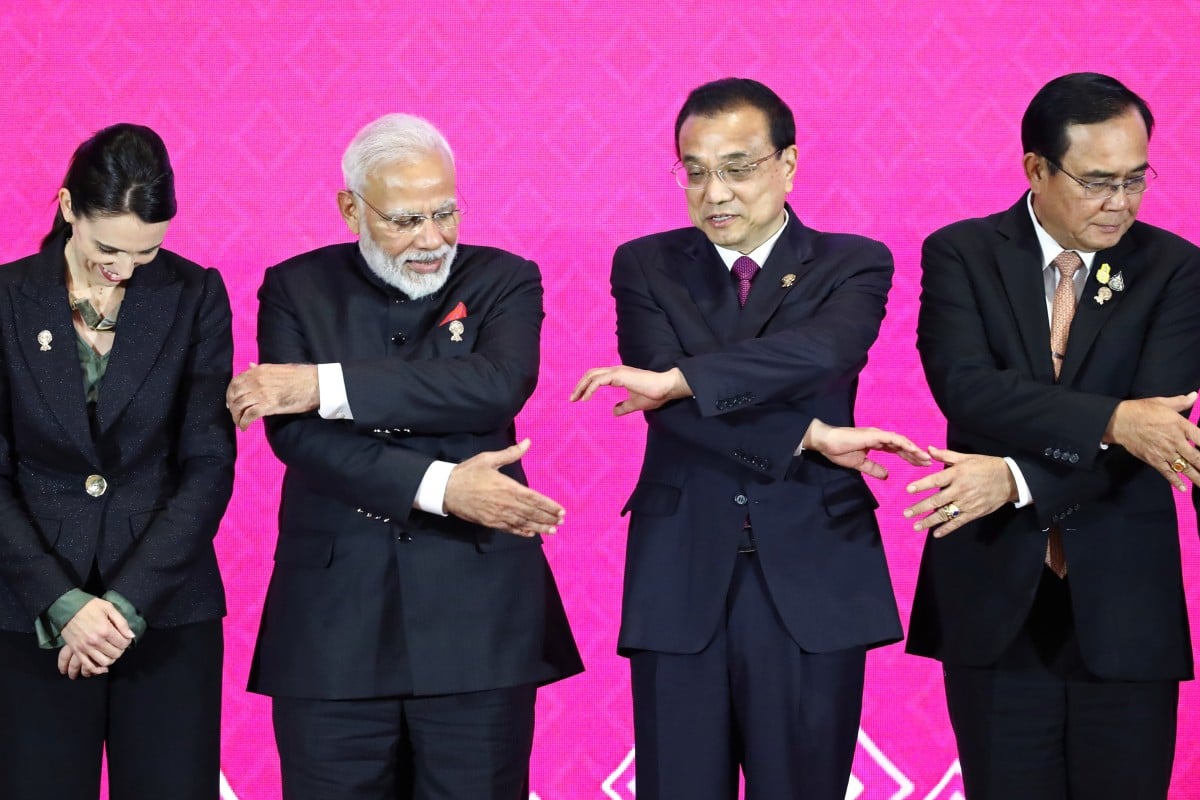
The proposed 16-economy pact is the brainchild of Association of Southeast Asian Nations leaders keen to liberalise trade between themselves and with their key regional trading partners – Australia, New Zealand, Japan, South Korea, China and India. It was conceived in 2012 and could amount to the world’s largest trade block, embracing almost half the world’s population and a third of global gross domestic product.
I am among those who remain convinced that trade and investment liberalisation brings significant benefits to us all, playing a large part in overall poverty reduction, but I should be clear from the outset: RCEP offered very little to get excited about. Economically transformative it was not.
It has been talked of as a “stapler” with good reason, because it does nothing more than clip together existing Asean trade agreements. For once, I would agree with US Commerce Secretary Wilbur Ross (note that the United States is not part of the pact) in downplaying RCEP as a “very low grade treaty”.