Advertisement

Macroscope
Hong Kong’s dollar peg has been crucial during the crisis, and should be maintained when it ends
- Maintaining Hong Kong’s dollar peg will, should the economy recover, mean interest rates will be lower than is desirable
- Keep the peg anyway: the limited outflows during Hong Kong’s crisis show how important it is for economic stability
3-MIN READ3-MIN
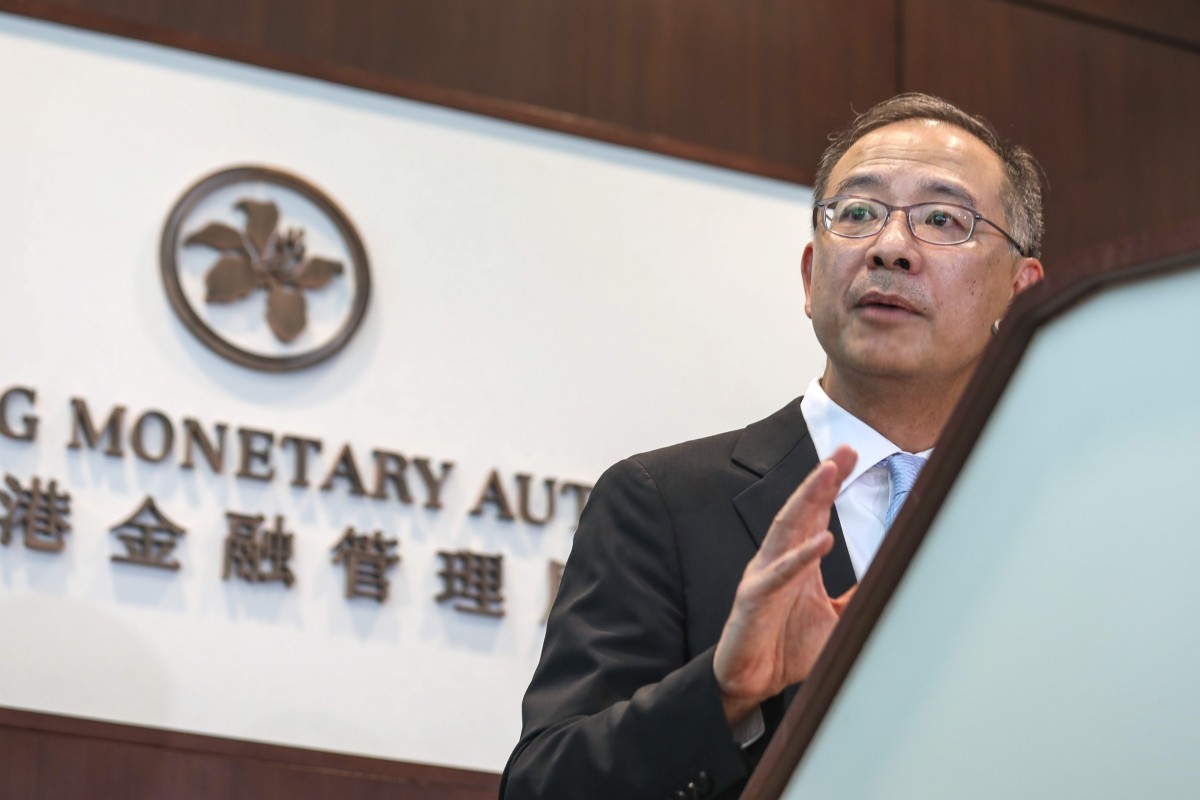
UK-based Neal Kimberley has been active in the financial markets since 1985.
It might seem odd, given that the economy entered a technical recession in the third quarter of 2019, but as growth picks up – and it will – Hong Kong may find that sticking to its linked exchange rate system (LERS) means both accepting lower interest rates than might otherwise be warranted and having to address any undesired consequences that flow from that.
But the validity of the linked rate system should not come into question.
The Hong Kong authorities will just have to take additional measures to bolster a currency board arrangement that in recent months has again proved its worth as an anchor of financial stability.
Advertisement
As the linked rate system pegs the value of the Hong Kong dollar to its US counterpart, Hong Kong Monetary Authority policy settings shadow that of the US Federal Reserve. Yet the health of the Hong Kong economy is also inextricably linked to that of China.
Hong Kong could conceivably end up with interest rates below what the local economy requires in a situation where a phase one China-US trade agreement boosts both the economies of China and Hong Kong, but the Federal Reserve, as would appear to be the case currently, keeps US interest rates lower for longer.
Upwards pressure on local property prices might re-emerge, exacerbating existing popular concerns about the unaffordability of housing, concerns that some have argued contributed to the social unrest seen in Hong Kong this year.
Advertisement
Select Voice
Select Speed
1.00x