Advertisement

Opinion
Japan should beware of the deep US-China undercurrents in the South China Sea
- Egged on by the US, Japan has increased its military presence in the region, but it risks awakening regional discomfort barely buried after WWII and could find itself out of its depth if the US and China start secretly preparing for conflict
4-MIN READ4-MIN
Dr Mark J. Valencia is an internationally known maritime policy analyst, political commentator and consultant focused on Asia.
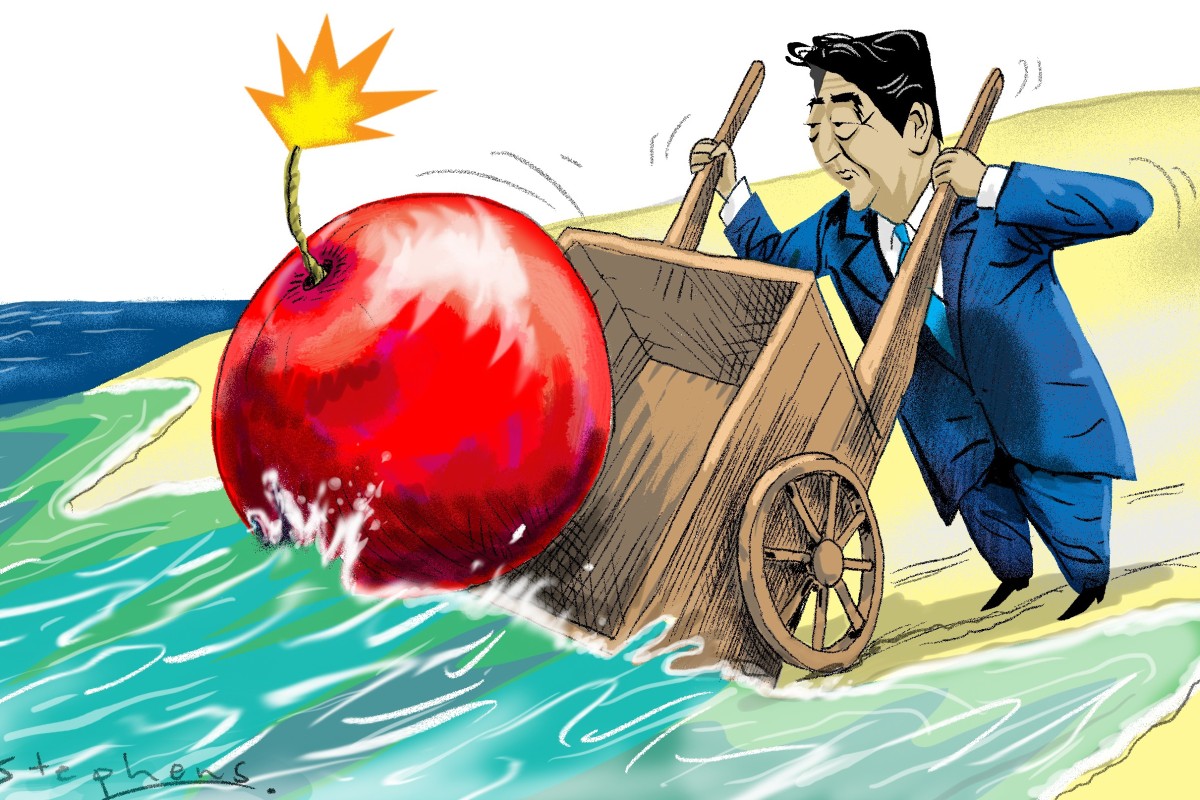
Some commentators have recently extolled the virtues of Japan’s increased military presence in the South China Sea. But this is a bad idea for Japan and the region because it will draw it closer to conflict with China.
Under pressure from the United States to aid China containment, Japan’s Prime Minister Shinzo Abe has stretched the envelope of its pacifist constitution, reinterpreting it to allow the use of force to defend itself and its closest ally and security guarantor, the US. Back in 2017, Takayuki Kobayashi, then defence vice-minister, said: “China is attempting to make changes in the South China Sea with bases and through acts that exert pressure is altering the status quo.”
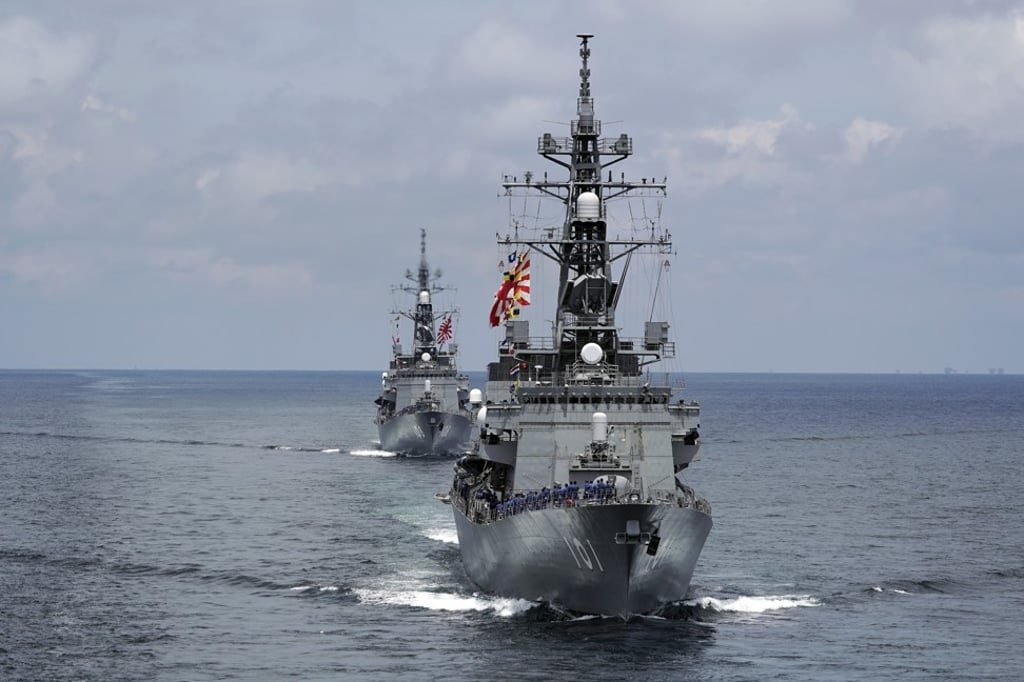
In recent years, Japan has engaged in naval exercises with the US, Canada, France, India and several Southeast Asian states with South China Sea claims that rival China’s. Earlier this year, Japan sent its helicopter carrier Izumo on a tour of the South China Sea, calling at Singapore, Indonesia, the Philippines and Sri Lanka before joining a naval exercise in the Indian Ocean with India and the US. It was Japan’s largest show of force in the region since WWII.
Advertisement
Next year, Japan plans to upgrade the Izumo to accommodate newly bought US stealth fighters and to be able to conduct amphibious operations. More recently, Defence Minister Taro Kono, in a clear reference to China and the South China Sea, declared that “China is engaging in unilateral and coercive attempts to alter the status quo based on its own assertions that are incompatible with the existing international order” and that such “aggressors must be forced to pay the cost”.
Advertisement
Advertisement
Select Voice
Select Speed
1.00x