
Advertisement
Inside Out & Outside In
Opinion
David Dodwell

Inside OutData sharing is key to unlocking US$1.4 trillion of economic value and saving lives. More collaboration, not paranoid decoupling, is needed

  • The value of ‘earth and marine observing’ technologies to Apec economies could rise significantly in the next decade. If we are to tap this potential and improve life-saving technologies, there is no place for barriers to data sharing

4-MIN READ4-MIN
Sendai in Japan is seen before a tsunami hit, in this satellite image taken on August 23, 2010 and released by Maxar Technologies. Photo: EPA-EFE
I have recently found myself wringing my hands over the technological paranoia, manifesting in the United States in particular, which is driving an economic wedge between the US and China, forcing many economies to choose between them as trade and economic partners, and pressing towards a technological “decoupling” that would be ruinous to businesses worldwide.
Just as we are poised to see massive global economic gains from new technologies, like 5G, artificial intelligence and collaborative use of data analytics, paranoia threatens to throw a spanner in the works. The economic cost could be huge.

It’s timely, then, that the Australian government has published a fascinating report, “Current and future value of earth and marine observing to the Asia-Pacific region”. The 120-page report, undertaken for the government by the Melbourne-headquartered management consultancy, the Nous Group, calculates that the current value to the 21 Apec economies of “earth and marine observing” technologies is US$372 billion, and likely to rise to at least US$1.35 trillion by 2030. Strong regional collaboration could lift the value to US$1.48 trillion.
Advertisement
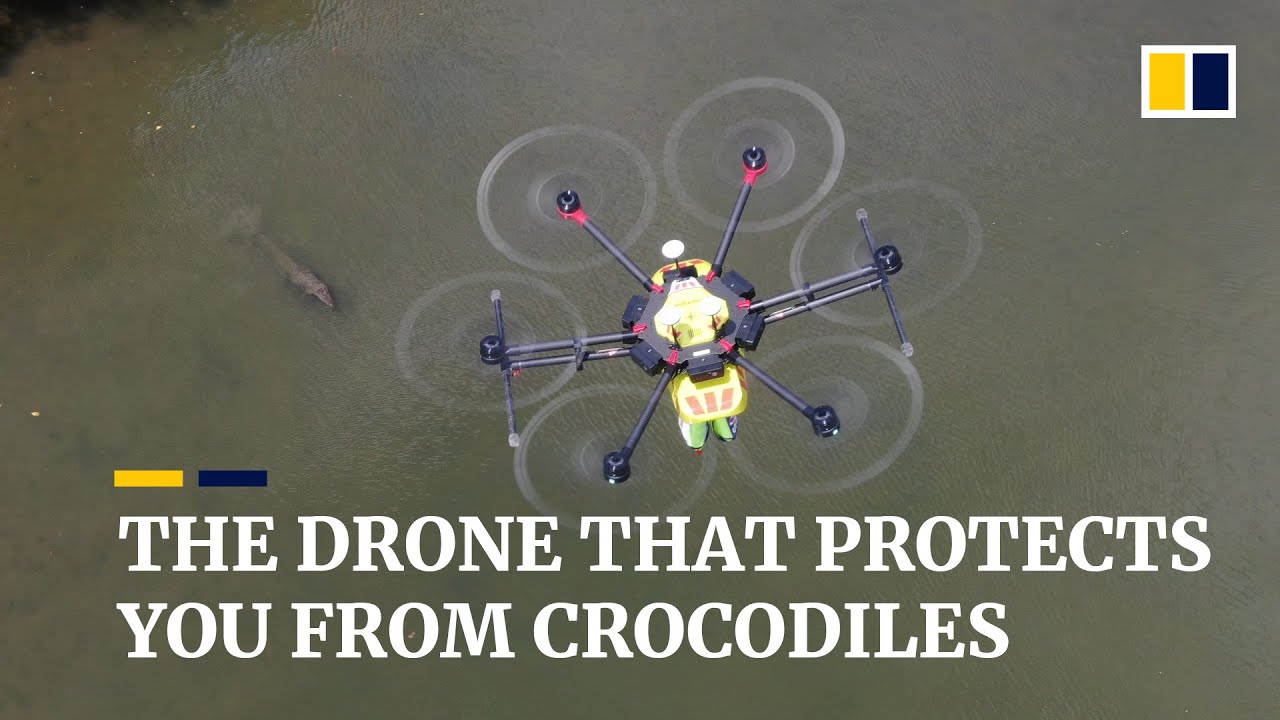
But what are these “earth and marine observing”, or EMO, technologies? They range from weather satellites and the satellite- and land-based technologies that enable GPS, to drones monitoring farmland and oil pipelines, seismographs checking for earthquakes, and ocean buoys monitoring for tsunamis and changing currents.
They are the sort of geeky technologies monitoring passing meteors and the retreat of Arctic and Antarctic ice, or warning telecoms and power companies of cosmic flares that could disrupt electricity grids or communications.

It may be data that most of us don’t give a second thought to, but for critical segments of our global economy, this kind of data is not just worth billions in economic efficiency or savings, but – in the event of droughts, earthquakes, tsunamis or epidemics – is also a matter of life and death.

Advertisement
Select Voice
Select Speed
1.00x