Advertisement

Opinion
Why the ‘big bazooka’ used in the 2008 financial meltdown is the wrong weapon for the coronavirus crisis
- The global financial crisis playbook was designed for a world facing threats to the quantity of economic growth. It cannot be the answer for a world facing a shock stemming from deficiencies in the quality of that growth
4-MIN READ4-MIN

Stephen S.
In an effort to get a handle on the economic and financial consequences of the Covid-19 pandemic, the first instinct is to search for precedents and remedies in earlier crises. Many have pointed to the 2008 global financial crisis as the most relevant example, especially in the aftermath of the extraordinary monetary policy actions announced by the US Federal Reserve on March 15. That would be an unfortunate mistake.
What worked 11 years ago won’t work today. The Covid-19 pandemic is the mirror image of the global financial crisis. The policy response needs to be crafted accordingly.
The global financial crisis was, first and foremost, a financial shock that took a severe toll on the real economy. Covid-19, by contrast, is a public health crisis. Draconian containment efforts – lockdowns, transport bans and restrictions on public assembly – are producing a shock to the real economy, with devastating consequences for businesses, their workers and the financial sector.
Advertisement
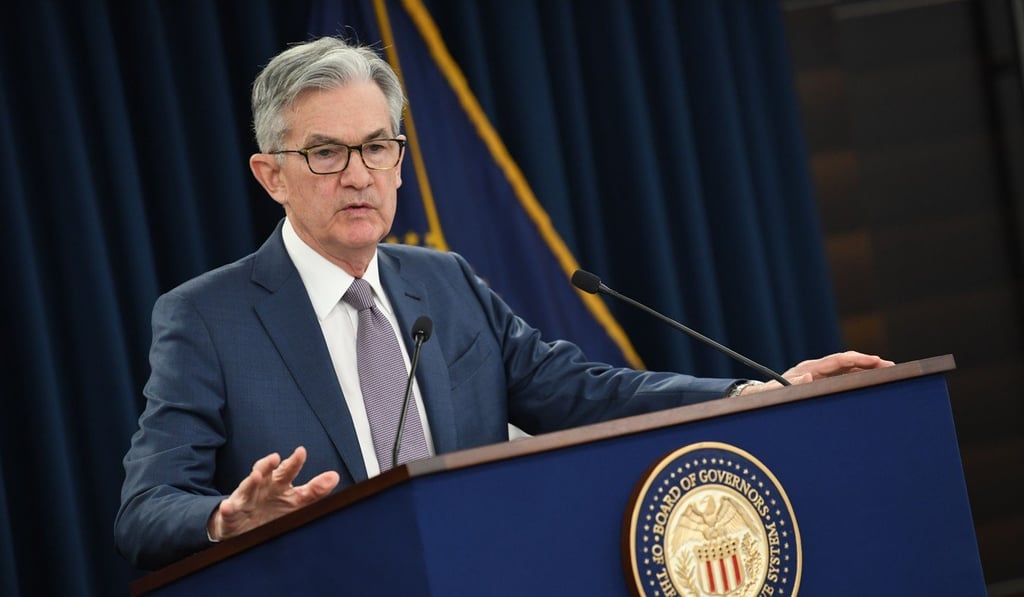
During the global financial crisis, unprecedented actions by the Fed were both appropriate and decisive in addressing the primary source of the shock: a devastating blow to the financial system. In the Covid-19 crisis, the Fed cannot play the same role because it is addressing a secondary shock: the financial repercussions of the primary shock to the real economy.
Instead, the Fed’s response must be seen as necessary, but not sufficient, to address the Covid-19 crisis. It is a delicate role, to say the least.
Advertisement
Advertisement
Select Voice
Select Speed
1.00x