Advertisement

China is winning the coronavirus battle but losing the economic war
- The battering the economy took in January and February is only now becoming clear. But with the pandemic raging, Beijing should expect more economic convulsions. The damage is likely to be greater than any stimulus policymakers can muster
3-MIN READ3-MIN

Aidan Yao is a senior investment strategist for Asia at Amundi, based in Hong Kong.
The latest Chinese activity data for January and February blew all forecasts out of the water and made even the most pessimistic projection look optimistic.
All gauges of economic activities plunged to their lowest levels on record, confirming the economic paralysis caused by the coronavirus outbreak. Even with more people going back to work in March, it is inevitable that first-quarter growth will contract sharply, particularly as the National Bureau of Statistics doesn’t appear to be holding back from acknowledging the full shock.
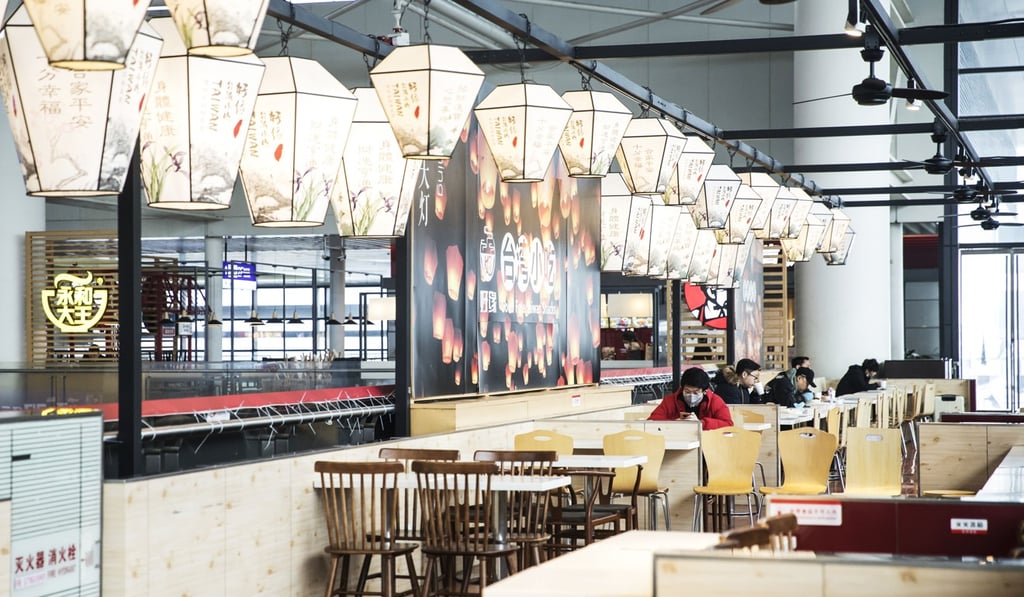
The retail sector has been hit hard by the viral outbreak as Chinese consumers have minimised their social and economic activities. Restaurants and catering services, which account for roughly 10 per cent of retail sales, have seen revenue plunge by 43 per cent year on year in the first two months.
Advertisement
Sales of large-ticket items, such as cars, home appliances and furniture, also declined by more than 30 per cent year on year. Some of these reflect very low activity in the housing market, where transactions ground to a halt during the peak of the virus containment.
Advertisement
Some of the suppressed consumption was unleashed via online platforms, with e-commerce sales bucking the trend by recording 3 per cent growth. However, with the disruption to logistics services and its small share (21.5 per cent) in overall retailing, growth in online sales was not enough to move the needle.
Advertisement
Select Voice
Select Speed
1.00x