Advertisement

Macroscope
The coronavirus won’t kill globalisation, but might just change global business for the better
- Look out for changes to industrial policies as governments realise the need to prioritise sectors such as medical supplies, to meet domestic needs in time of crisis
- While companies will push to diversify supply chains and pay more attention to ESG factors, their preference for globalisation – and the profits it brings – won’t change
3-MIN READ3-MIN
Tai Hui is chief market strategist for the Asia-Pacific at JP Morgan Asset Management.
Human beings are social animals. They prefer to gather in groups, whether in markets, places of worship, bars or restaurants. Industries were created around this behaviour.
The Covid-19 pandemic has disrupted this way of life, yet we find new ways to meet our friends and families. In the age of social distancing and virus containment, meetings, prayers, happy hours and romantic dates are all moving online.
People’s preference for globalisation is the same. Consumers want cheaper and better products. Companies want to maximise profits by selling to more markets, and produce at lower costs by taking advantage of economies of scale. Global corporate profits and global trade as a share of the world economy have risen in tandem since the 1970s. These preferences are not going to change.
Advertisement
While the Covid-19 pandemic may prompt companies to rethink their strategies, the principles of globalisation remain fundamentally intact. What remains to be seen is the likely impact of government policies in response to the pandemic.
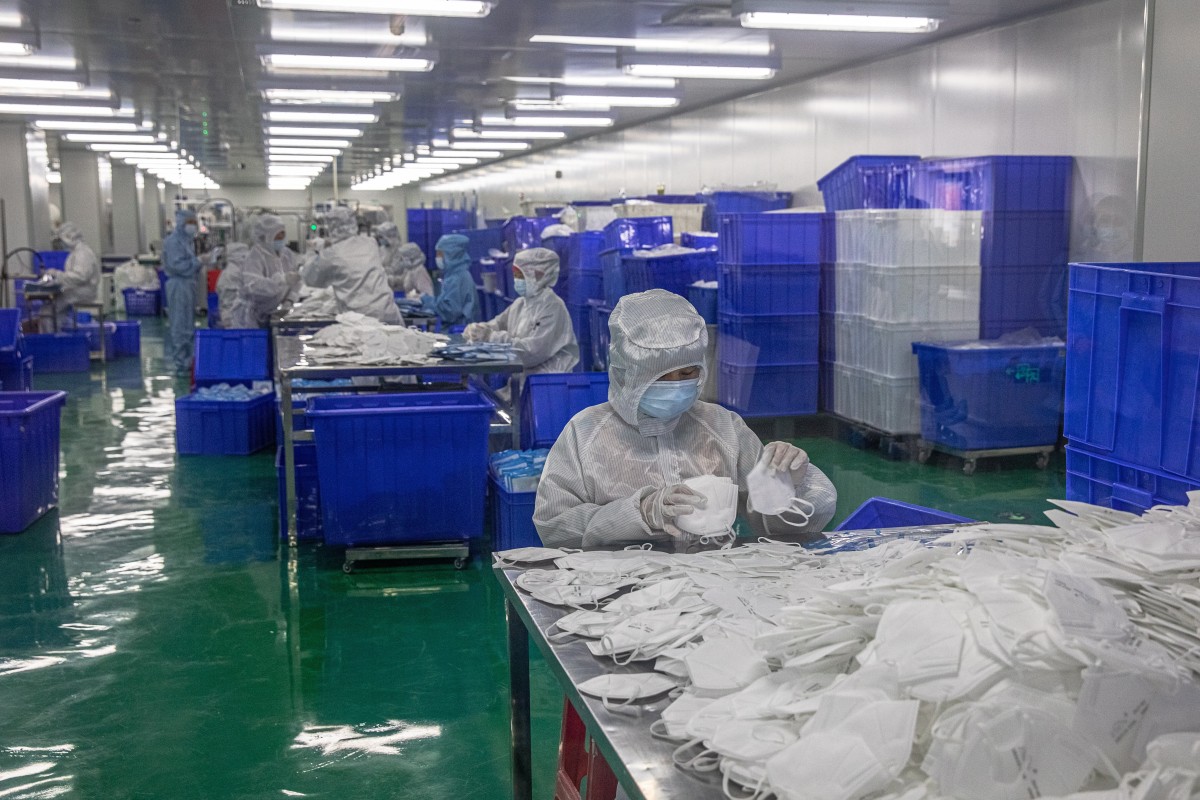
Health care and medical supplies are one area where governments are likely to play a more hands-on role, deploying industrial policies to reduce dependence on imports and ensure sufficient domestic capacity in case of another outbreak.
Advertisement
Advertisement
Select Voice
Select Speed
1.00x