Why national security law will not be the death of Hong Kong, just as the handover wasn’t
- Fears were widespread in 1997 that handover would mean the end of Hong Kong’s freedoms but this didn’t happen because the capitalist city was valuable to China
- Given this is still the case today, Beijing must not ignore international alarm over the new law and apply it narrowly
On the historic night of the 1997 handover of Hong Kong from British to Chinese sovereignty, a grave and breathless correspondent from a leading US television network stood with his back to a highway as armoured PLA trucks trundled past.
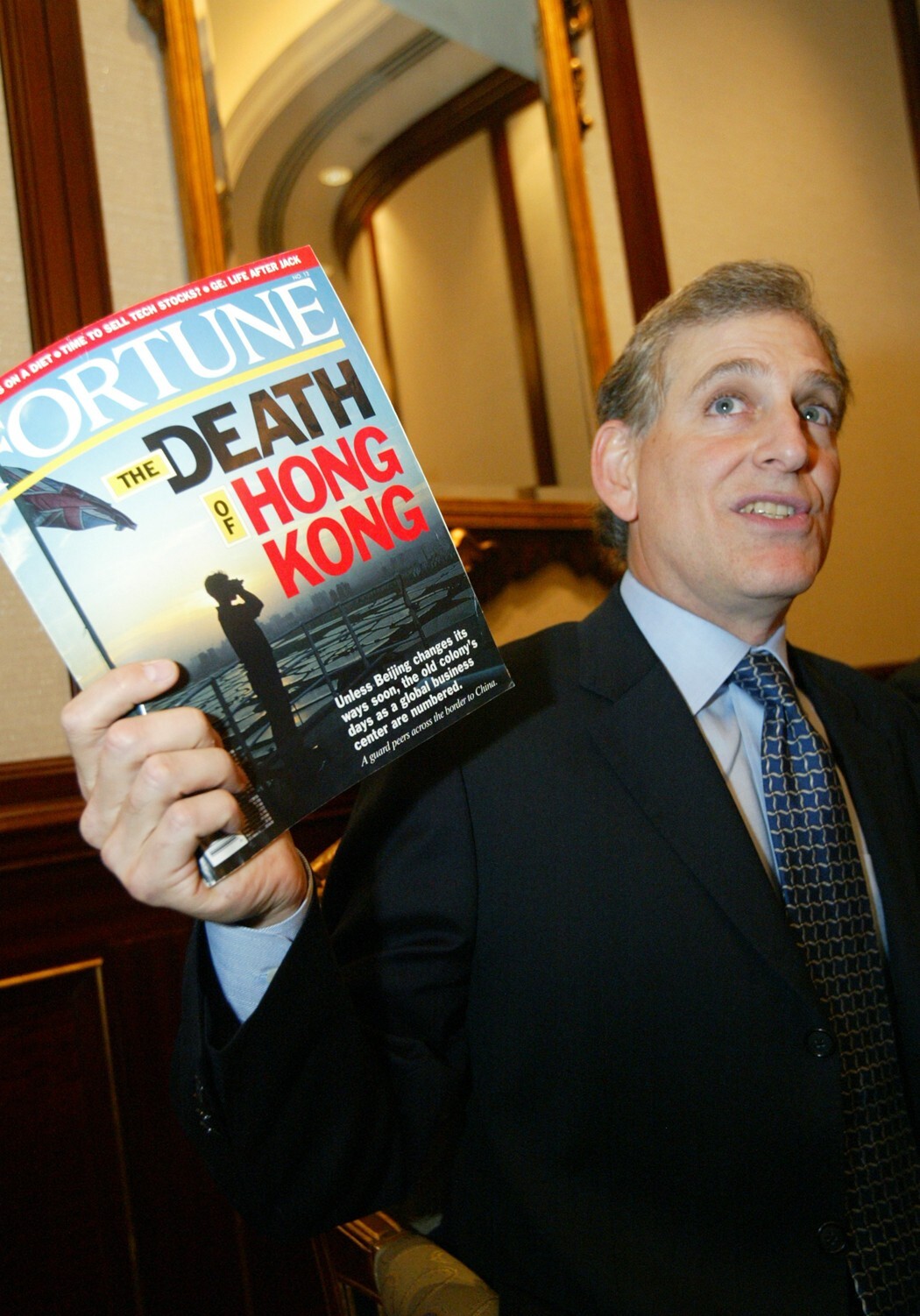
The gist of his commentary was clear: as thousands of troops from the People’s Liberation Army tonight pour across the border into Hong Kong, we mark the solemn end of freedom in this tiny territory. It was a narrative launched by Fortune’s “The Death of Hong Kong” cover story in July 1995, and it continues today.
What these reports did not record is that once the PLA troops had trundled nocturnally into their barracks, vacated just hours earlier by British troops, they were almost never seen again. That remains as true today as ever. The muscular exertion of national power predicted by so many commentators never happened.
Forecasts of extensive interference also failed to materialise. Hong Kong people were – as promised – left to rule Hong Kong.
Relentless encroachment on Hong Kong’s “high degree of autonomy” did not occur. Hong Kong’s internationally trusted common law legal system continued to operate, overseen by judges drawn from common law jurisdictions across the world. Freedom of speech expressed through Hong Kong’s infamously cantankerous media continued unabated.