Advertisement

Why pandemic-shaken investors should be optimistic about global economic prospects
- A raft of new monetary and fiscal stimulus is working its way through, a global business upturn is already under way and risk appetite is tentatively gaining ground
3-MIN READ3-MIN
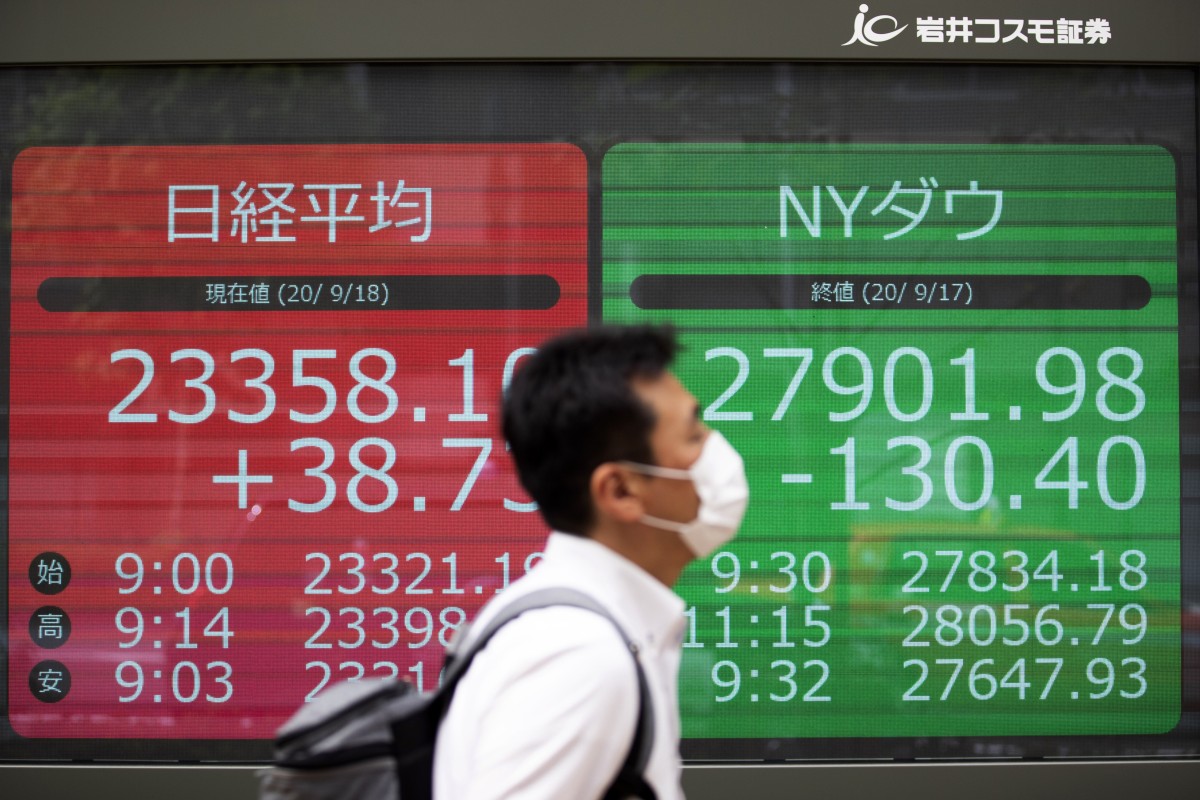
It may take a leap of faith over the next few months, but the world has a better-than-fighting chance of beating the coronavirus pandemic and regaining some semblance of sustainable recovery. Considerable risks remain with just over 40 days to go until the US presidential election and while the world waits for a viable vaccine to emerge, but the stage still looks set for a major economic rebound.
A raft of new monetary and fiscal stimulus is working its way through, a global business upturn is already under way and risk appetite is tentatively gaining ground. It may be touch and go, but if the world is spared a second wave of lockdowns, and the US and China can quickly resolve their differences over trade, there is every reason to stay optimistic for the future.
Forecasters are hopeful that the global economy could be on the mend by 2021. The International Monetary Fund projects that global growth could bounce back quite sharply by 5.4 per cent in 2021 after a likely 4.9 per cent contraction this year, but only if the right conditions remain in place.
Advertisement
That means global economic policy will need to stay in super-easing mode for a very long while to cope with fallout from the pandemic. Global interest rates should continue to head lower with more fiscal stimulus needed to fill demand gaps and encourage a recovery in global supply-side investment.
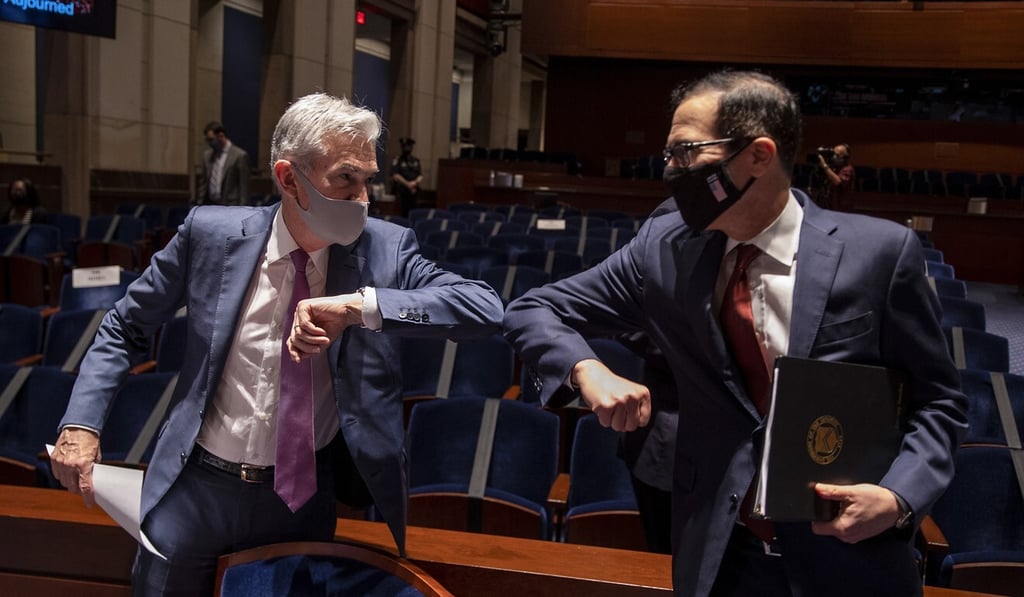
The US Federal Reserve has committed to keeping interest rates near to zero until 2023 to boost growth, resisting calls to push rates into sub-zero territory, worried about the potential damage to consumer savings and US bank balance sheets. The risk of higher inflation remains low with August’s headline CPI rate at 1.3 per cent, but the Fed still has a duty of care to avoid triggering a spike in prices or a market bubble down the road.
Advertisement
Advertisement
Select Voice
Select Speed
1.00x