-
Advertisement
Inside Out & Outside In
Opinion
David Dodwell

Outside In | What will it take for the world to cooperate on Covid-19 vaccines and passports?

  • Without working together, there is little hope of tackling unprecedented vaccine supply challenges, waiving vaccine patent rights and agreeing on vaccine passports

Reading Time:4 minutes
Why you can trust SCMP
4
People line up to receive a Sinovac jab in Hong Kong on February 26. The Chinese vaccine is not accredited in much of the world, making it unlikely to be accepted for any international vaccine passport for travel to the US and Europe. Photo: EPA-EFE

If Covid-19 vaccines are the “silver bullet”, then is it not striking how difficult it is to shoot it? And if there is universal agreement that no one is safe until all of us are, why does international cooperation remain so difficult?

As more international organisations – from the World Trade Organization and Organization for Economic Cooperation and Development, to the World Health Organization and United Nations – call for international agreements to coordinate Covid-19 recovery and optimise vaccine distribution, the silence of national governments is striking. Instead, we see angry vaccine nationalism, and shocking disparities in the pace at which governments are getting jabs into arms.
While Britain boasts that almost 60 per cent of the population aged 18 years and older has received at least one jab and the United States boasts 38 per cent, the rate is just over 13 per cent in the European Union. WTO director general Ngozi Okonjo-Iweala complains that while vaccination campaigns have been rolled out in 75 countries, another 115 countries have to “wait as people die”.
Advertisement
There are many good reasons for the faltering delivery of Covid-19 vaccines, many of them clearly flagged by the scientific community over six months ago. The first is that the development and delivery of a vaccine has never been demanded at such speed. The demand for enough doses to vaccinate the entire world is also unprecedented. In non-pandemic circumstances, administration of almost 15 million jabs a day would have been inconceivable.

While some of us had a vague idea that the vaccine supply chain was complex, few outside the industry had any clue as to just how so. Pfizer alone operates across more than 40 sites globally, with over 200 independent suppliers. These range from companies providing complex machinery, to producers of medical raw materials, syringes, vials and other supplies needed to package and administer doses that need to be stored at minus 70 degrees Celsius.
09:50

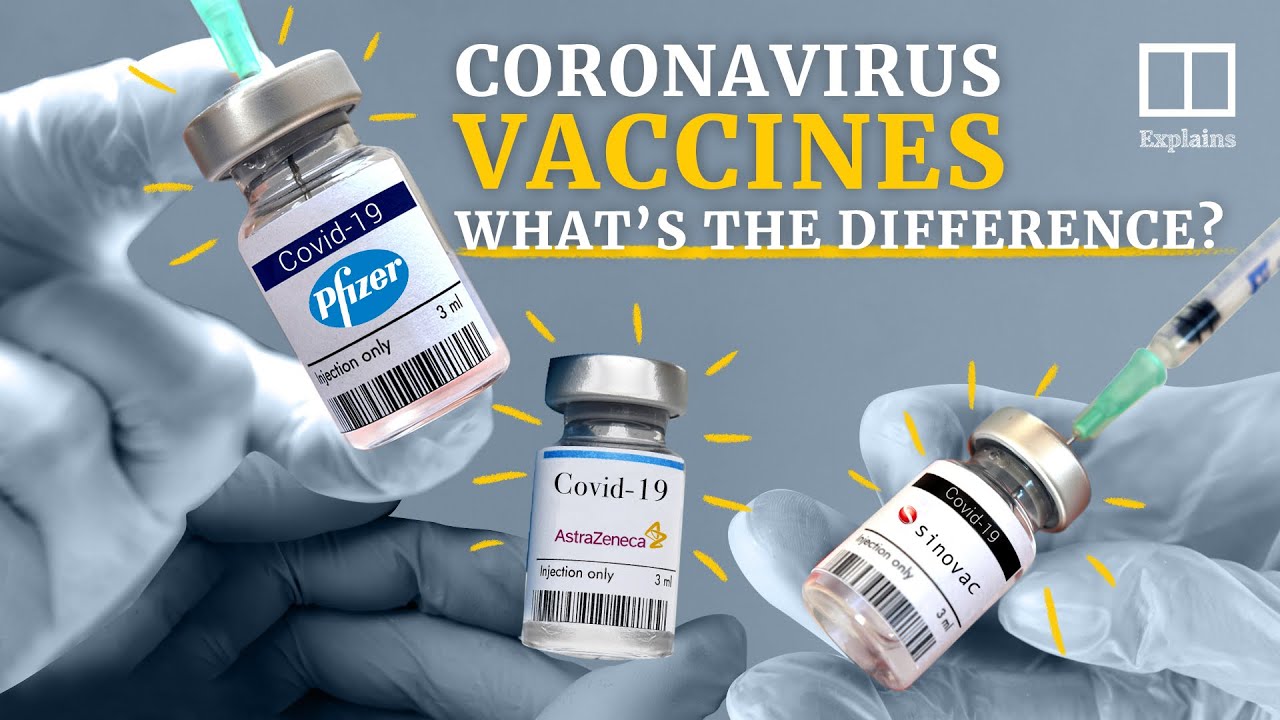
SCMP Explains: What's the difference between the major Covid-19 vaccines?

SCMP Explains: What's the difference between the major Covid-19 vaccines?

Such supply chains are complex even in normal times, but mix in the challenge of preparing the more 9 billion doses ordered, and at warp speed, and you are staring at supply chain challenges that are quite literally unprecedented.

Advertisement
Select Voice
Select Speed
1.00x