
Inflation is not the worry the US Fed, and the markets, suppose
- The rise in US CPI unexpectedly slowed in August, which will ease pressure on the Fed to cut short its support for the economy earlier than planned
- Given the pandemic’s lingering impact on demand and the global supply chain, inflation is unlikely to wreak havoc the way it did four decades ago during the oil price crisis

Inflation is not the bogeyman it is cracked up to be. Doomsters were caught off guard last week when the US consumer price index (CPI) recorded a lower-than-expected 0.3 per cent monthly gain in August, temporarily boosting bonds and denting stocks.
It could be a game changer, reducing pressure on the US Federal Reserve to cut short its emergency support for the US economy earlier than planned. Chances are we are closer to the peak in inflation than the markets may think.
After all, much of the acceleration in headline inflation recently has been due to a statistical sleight of hand, the consequence of what economists call base effects. That’s the distortion caused by year-on-year CPI comparisons between higher price rises this year, amplified by price falls last year when the world first succumbed to the Covid-19 crisis.
The worst point might have passed and, as the economy normalises and headline inflation eases, immediate pressure on central banks to batten down the hatches with higher interest rates should subside.
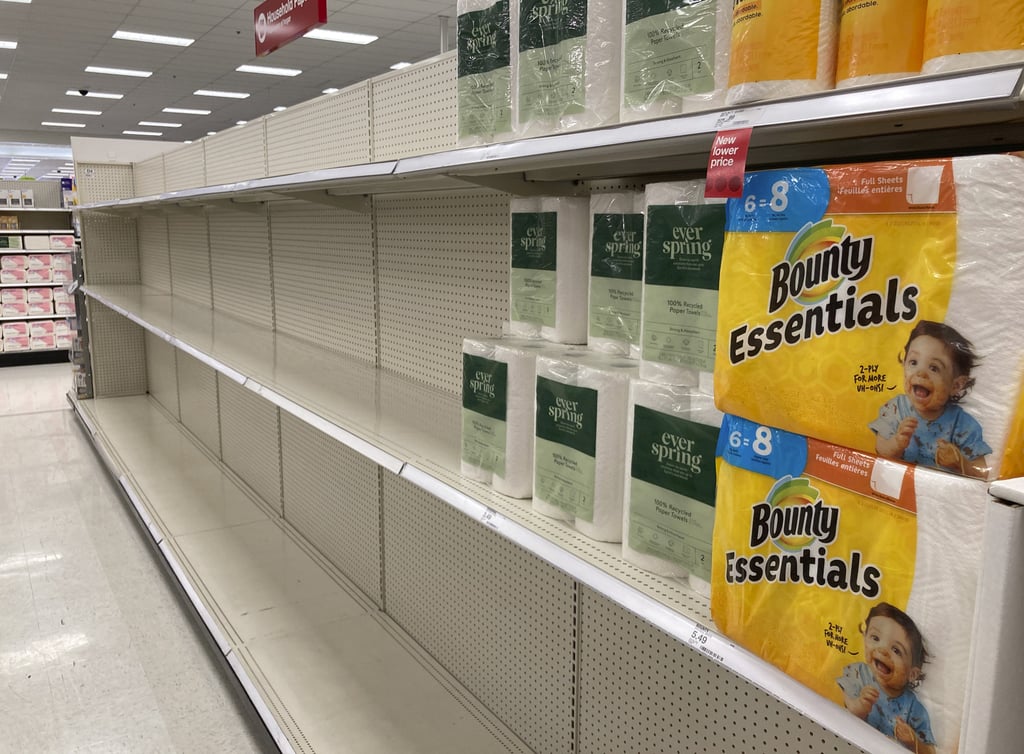
There is certainly no reason for the Fed to hit the panic button on rates. Cost-push inflation factors should ease as global supply-chain logjams free up and demand-pull inflation pressures remain subdued, while consumer and business activity seems relatively sub-par.
It’s going to take a long while before global economic activity gets back to full strength. In the meantime, benign output gaps, low-capacity utilisation rates and a return to rising productivity should help constrain rising price pressures and moderate headline inflation rates in the longer term.