Advertisement

The View | Squid Game and Parasite tap into public anger over unaffordable housing
- While house prices globally have soared since the pandemic erupted, Seoul has remained consistently in the top five markets with the fastest growth in home values
- South Korea is a prime example of how policies to cool the market can go badly wrong
3-MIN READ3-MIN

Since the Covid-19 pandemic erupted, house prices the world over have gone through the roof. In the fourth quarter of 2019, just before the virus began to spread like wildfire, only one major city – Frankfurt – registered price growth in its prime residential market of more than 10 per cent on an annualised basis.
Fast forward to the third quarter of this year, and just over a third of the 46 markets tracked by Knight Frank experienced price gains above 10 per cent, half of them in the Asia-Pacific region. While the composition of the group of cities with the fastest growth in home values has changed over the course of the pandemic, one market has consistently remained in the top five: Seoul.
Last quarter, prime residential prices in South Korea’s capital rose a staggering 22.6 per cent year on year, the second-fastest rate after Miami, a city which has benefited hugely from the shift to suburban and coastal locations that has been a key driver of the post-pandemic housing boom.
Advertisement
In a sign of the persistence of the price rises in Seoul, home values rose 6.5 per cent on a quarterly basis last quarter. This contrasts markedly with modest gains, and even declines, in several cities in Canada and mainland China that were registering some of the strongest quarter-on-quarter growth rates at the start of this year.
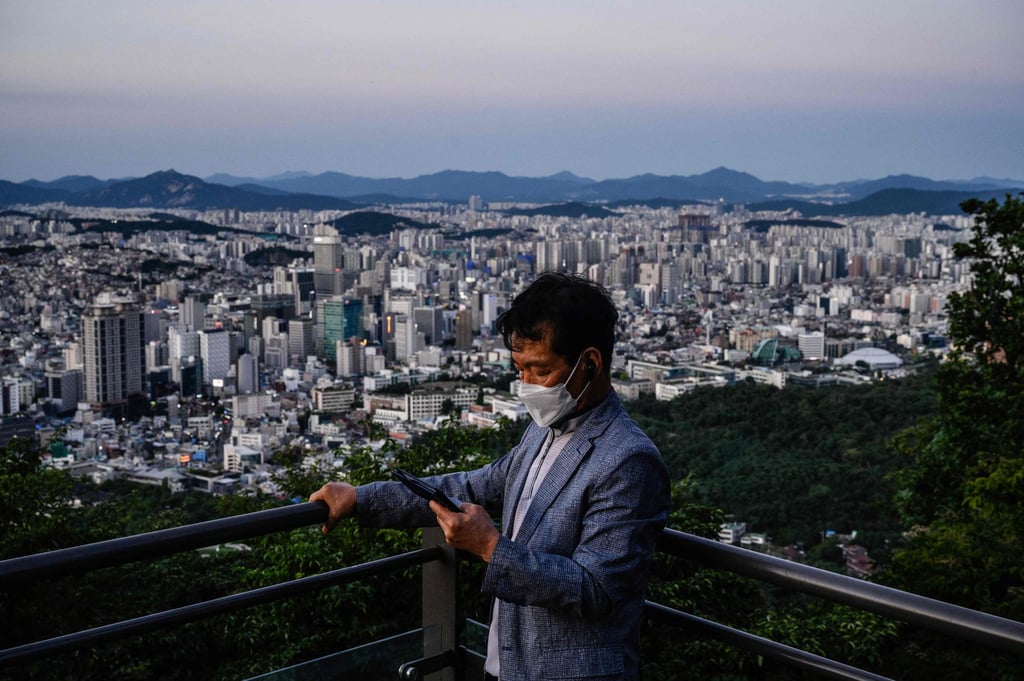
Seoul’s housing boom is all the more striking given the years-long effort to cool the market. Since South Korean President Moon Jae-in took office in May 2017, the government has introduced over 20 measures to rein in prices, all to no avail.
Advertisement
Advertisement
Select Voice
Select Speed
1.00x