
Outside InWhy ageism in the workplace is a bigger obstacle for women than glass ceilings
- While high-achieving women rightly demand access to boardrooms and top salaries, little attention is paid to midlife women struggling to re-enter the workforce
- As our ageing society makes this problem more prevalent, more resources must go into reskilling women – and men – who still have much to contribute later in life

Their complaints are fully justified, and companies failing to address these concerns need their feet put to the fire. But I am saddened by the self-serving limitations they throw around their cause, and by their failure to pay attention to an even more grievous discrimination challenge – rampant ageism.
By giving priority to top-achieving women, they neglect the humdrum but punishing discriminations faced by working women in general – and in particular by midlife women who want to get back meaningfully to work after taking a decade out (or at least taking the foot off the promotion pedal) because of child-raising challenges.
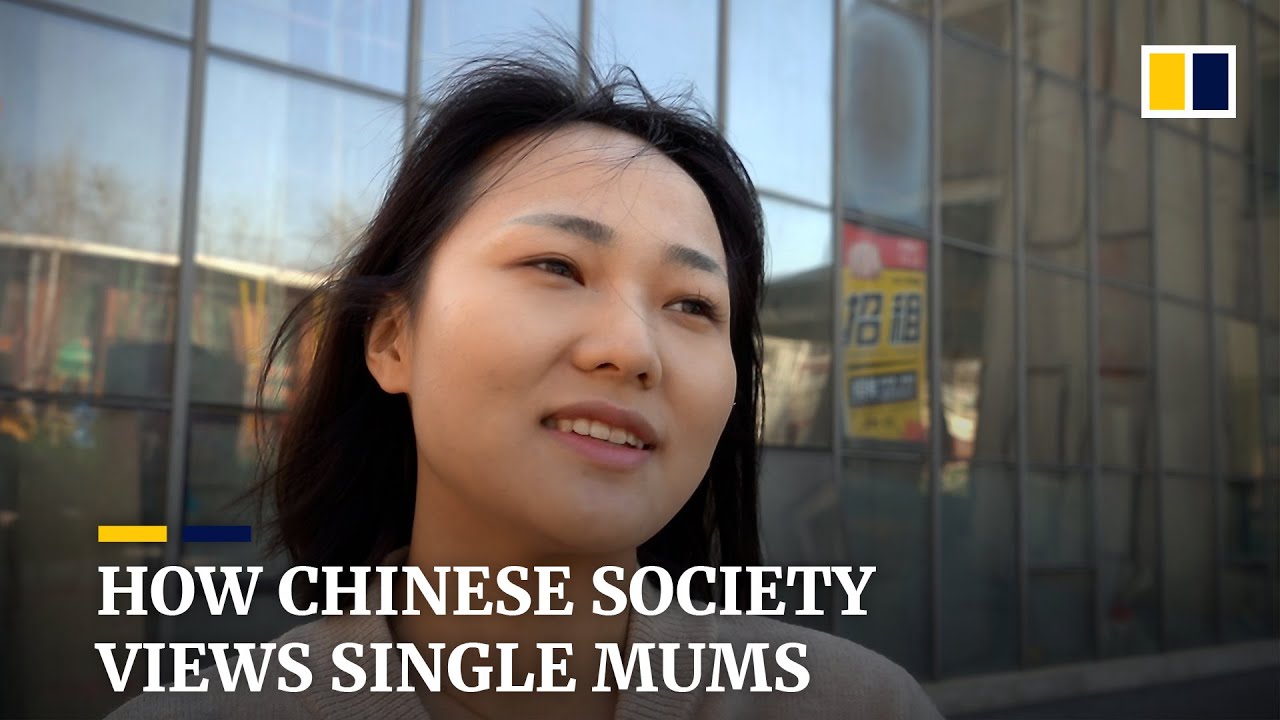
03:53
Mixed reaction to proposal allowing single women over 30 in China to have children on their own
It is here that the problems of ageism and of midlife women converge. Because so many employers assume that staff in their 50s will be coasting towards retirement, they often see little merit in offering jobs to women wanting to return to work in their 40s. They see no merit in updating these women’s skills or in considering them for promotions.
Anyone who has read The 100-year life by Lynda Gratton and Andrew Scott will know how preposterously outdated such attitudes are: their simple calculations show that a 20-year-old today has a 50 per cent chance of living beyond 100. If they want to retire earning 50 per cent of their final salary, they will have to save 10 per cent of their income every year, and even then they will only be able to retire in their early 80s.
Previously, when most people died by their 70s and were in faltering health by their 60s, retirement at 60 or 65 was welcome, and unlikely to create financial stress.
But who today, in good health well into their 80s, wants to kick their heels around a golf course for 30 years? Who would not prefer to remain a self-reliant contributor to the community? As the (female) managing partner of a Singapore company told me recently: “I’m over 50, and I am not old. I’m mid-century modern – digital, active and aspiring.”
Those women preoccupied with glass ceilings are also badly out of touch with what the future of work will look like. As Professor Martin Bean, formerly of RMIT University in Melbourne, recounts: “Today’s 15-year-olds will on average have 17 employers, and at least five quite distinct careers.”