Advertisement

The View | China’s stricken housing market needs a bazooka, not a slingshot, of regulatory easing to recover
- While stocks responded strongly to a flurry of assurances by Beijing, the pledges are still vague and need to be backed up by concrete measures
- There are still no clear signs that regulators are lifting restrictions on developers’ access to cash from pre-sold homes, a key source of liquidity
3-MIN READ3-MIN

Words matter when it comes to policymakers’ efforts to reassure investors during periods of turmoil in financial markets. This is especially true in China, where the opacity of the Communist Party often leads to confusion over the direction of policy.
This is why the flurry of assurances following last week’s meeting of China’s top financial committee led by Vice-Premier Liu He, President Xi Jinping’s closest economic adviser, carried a lot of weight. In a rare intervention that addressed many of the issues that have unsettled investors in the past year, the government promised to shore up markets, boost the economy and bring its regulatory overhaul of technology companies to an end.
Of particular significance was Beijing’s pledge to ease pressure on the stricken residential property sector by reducing risks faced by developers and shelving a plan to expand a property tax reform pilot programme.
Advertisement
The reaction in China’s equity markets, which had suffered a brutal sell-off earlier in the week, was ecstatic. Stocks enjoyed their sharpest two-day rally since 1998, with the shares of developers among the strongest performers.
For many investors, the policy shift marks a crucial turning point in China’s economy and markets, one that had slowly become apparent in the past several months but is now much more pronounced. Some investment strategists believe Xi has more or less thrown in the towel on regulatory tightening and corporate deleveraging and is now focused on stabilising growth and asset prices as he prepares for a third five-year term as the Communist Party’s leader.
01:09
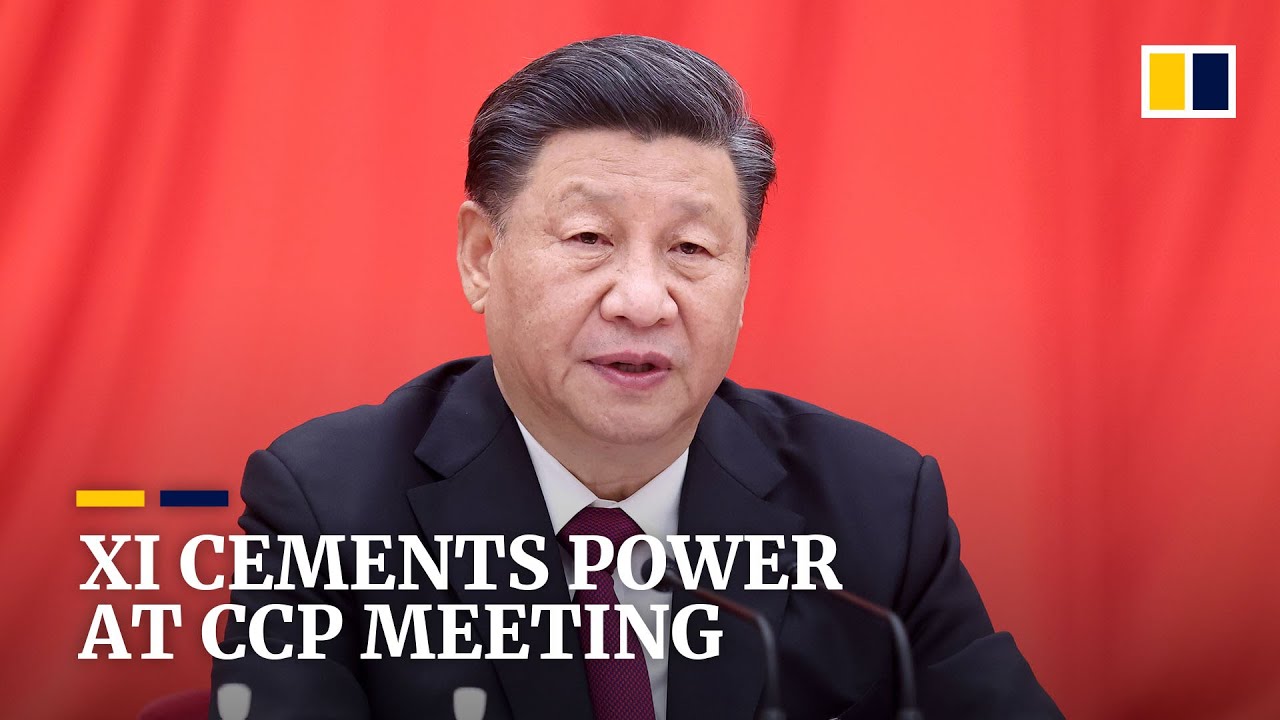
Chinese Communist Party resolution cements Xi Jinping leadership, putting him on par with Mao
Chinese Communist Party resolution cements Xi Jinping leadership, putting him on par with Mao
This is highly debatable, not least since the pledges are still fairly vague and need to be backed up by concrete measures that are timely and effective enough to restore confidence in China’s economy and markets.
Advertisement
Select Voice
Select Speed
1.00x