
Advertisement
China property
Opinion
Nicholas Spiro

The View | Rental market boom is a silver lining for China’s property sector

  • A liquidity crisis has called into question the way Chinese developers financed and built homes, and shattered confidence among homebuyers and investors
  • With Xi Jinping prioritising affordable rental housing amid a ‘common prosperity’ push, however, investors could do worse than align themselves accordingly
Reading Time:3 minutes
Why you can trust SCMP
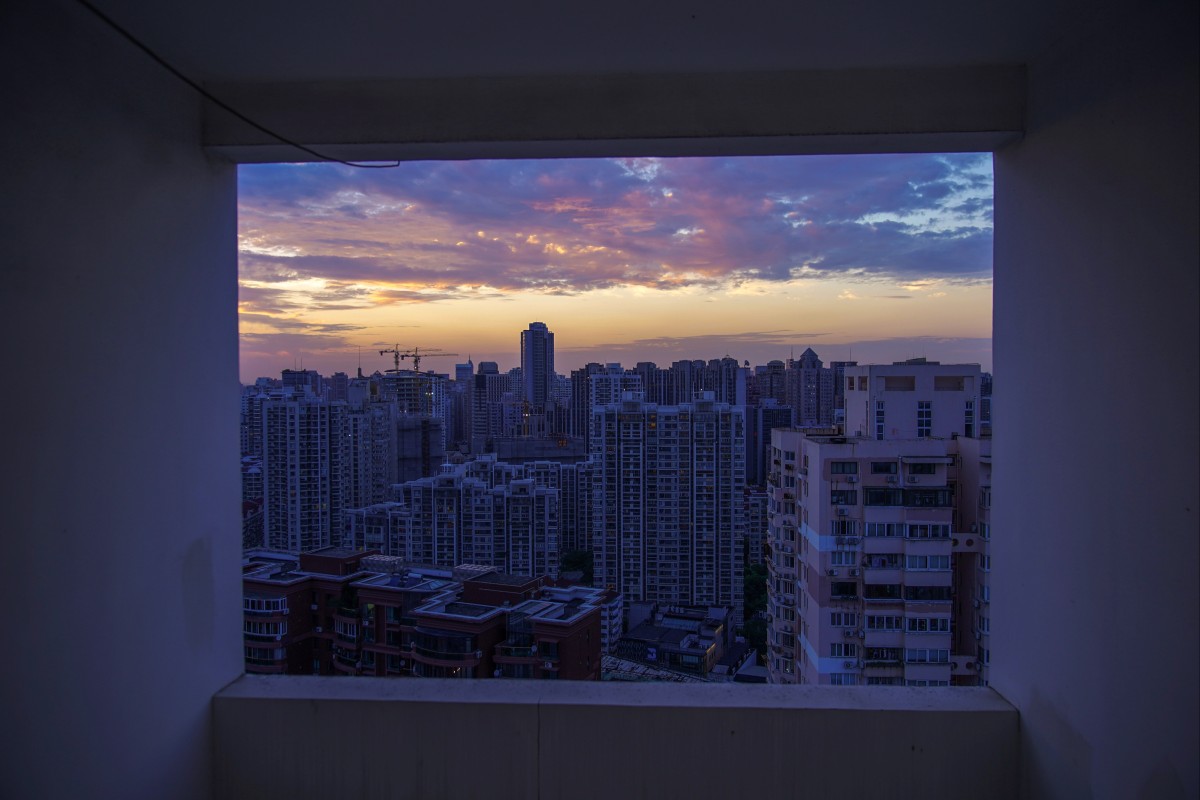
A view of buildings in residential compounds in Shanghai on August 14, 2020. A slump in residential sales in China has accentuated the resilience of rental housing. Photo: Reuters
Warren Buffett, the legendary investor, famously quipped that “you only find out who is swimming naked when the tide goes out”. In China, the housing market is having its Buffett moment. Since last July, sales have fallen sharply, plummeting 22 per cent year on year in the first two months of 2022. New home prices in 70 cities have contracted in month-on-month terms almost every month since last September.
Beijing’s deleveraging campaign and much tougher regulation have caused an acute liquidity crisis that has called into question the way developers financed, built and marketed homes. Severe distress and financial contagion across the industry has shattered confidence among homebuyers, investors and creditors.

The rapidly retreating liquidity tide has revealed that the swimwear of even some of the higher-quality builders was not sturdy enough to cope with the sudden closure of global capital markets to Chinese developers. Despite a pledge by the government last month to ease pressure on the sector, persistent doubts about the scope and efficacy of a reversal of policy are prolonging the crisis.

Advertisement

Yet, it is not all doom and gloom in China’s housing market. The slump in residential sales has accentuated the resilience and appeal of rental housing. With more than 200 million people renting homes in the world’s second-largest economy, the sector is estimated to be worth 1 trillion yuan (US$157 billion), according to data from JLL, and is starting to become more institutionalised.

While policy-induced stress in the sales market has increased dramatically, government support for the rental sector has intensified over the past several years. This is because housing has become a much more politically sensitive issue since President Xi Jinping launched his “common prosperity” campaign aimed at spreading the nation’s wealth and reining in financial excesses.
Advertisement

In a sign of the extent to which policy towards the rental and sales markets has diverged, Beijing has introduced a range of measures to promote the development of rental housing by boosting the supply of land, providing tax incentives and strengthening regulation.

Advertisement
Select Voice
Choose your listening speed
Get through articles 2x faster
1.25x
250 WPM
Slow
Average
Fast
1.25x