
Developing Asian countries shouldn’t have to choose between Western and Chinese investment – not when every dollar helps
- With an urgent need for infrastructure across the region and huge gaps in financing, the West should be praising China’s belt and road even as it launches its own investment plan
- Instead, the newly rebranded PGII looks suspiciously like another attempt to advance US security policy and counter China’s influence

For over 15 years inside the Asia-Pacific Economic Cooperation forum, financial officials, bankers, investors and officials from institutions like the Asian Development Bank have wrestled with a single unrelenting challenge: how to bridge the gigantic infrastructure financing gap.
Fully aware that such sums were far beyond the means of government taxpayer funding, government officials brought bankers and business leaders into the room to see how they could help.
This raised two immediate challenges: solutions involving the private sector would need projects that could quickly earn private-sector profits; while huge, long-gestation projects that needed billions of dollars in upfront investment presented massive risks. Even the largest multinational construction firms were nervous that a future government might renege on fee agreements.
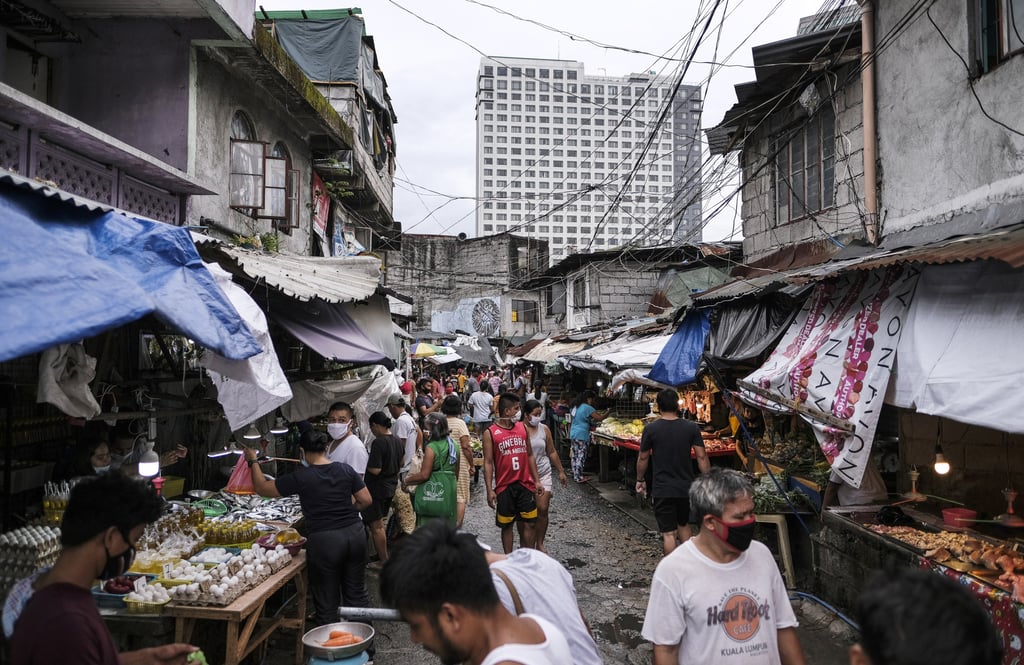
These daunting challenges mean that, even today, the funding gap for “big infrastructure” remains unbridged, and communities across the developing world lack electricity and clean water, or railways and ports linking them to the global economy.