
China’s zero-Covid policy is thwarting efforts to stabilise the economy
- Beijing is trying to simultaneously pursue a zero-tolerance approach to Covid-19, reduce debt exposure and ease monetary policy to boost growth
- These policies contradict each other, though, and draconian, growth-sapping lockdowns stand in the way of rebuilding consumer and investor confidence
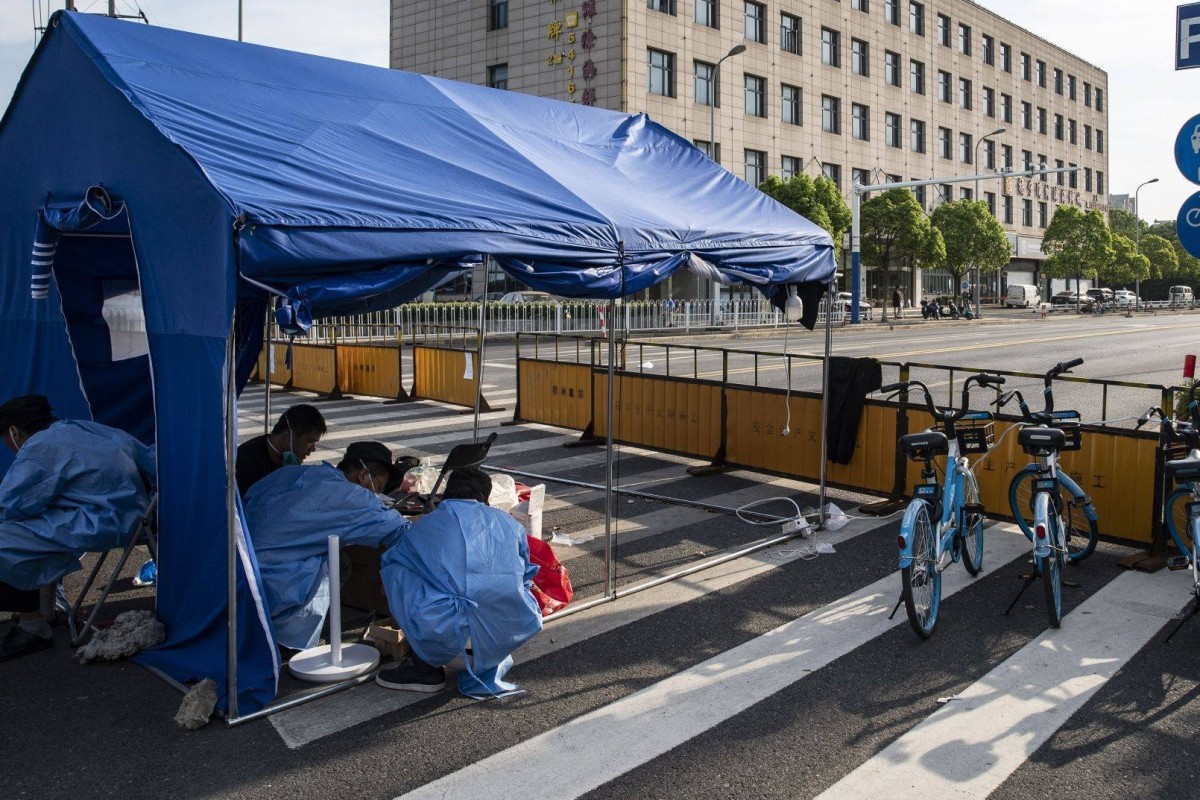
Never mind that a durable recovery hinges on Chinese consumers’ ability and willingness to spend. The revelation that a close contact of a six-year-old boy with an asymptomatic case of Covid-19 had visited the store recently was enough for Shanghai’s government to impose an immediate two-day quarantine, followed by five days of health monitoring of those affected.
However, managing the trade-off between fighting the virus and inflicting economic harm has become exceptionally difficult, so much so that the policy response to the downturn is increasingly ineffective. China is caught in an economic trap of its own making.
Last Friday, the People’s Bank of China (PBOC) published data showing that a measure of broad-based money supply known as M2 accelerated to a stronger-than-expected annualised 12 per cent last month, pointing to ample liquidity in the financial system. Yet, aggregate social financing – a broad gauge of credit growth – slowed to 10.7 per cent, held back by a deceleration in the growth of loans to households and companies.

01:52
Shanghai Ikea shoppers scramble for the exits during flash Covid shutdown