Advertisement

Inside Out
Chinese love of luxury remains strong, but shoppers are ditching London and Paris for home-grown brands
- Pandemic restrictions and geopolitical tremors mean Chinese consumers are no longer travelling abroad for luxury goods, but demand has far from dried up
- Instead, Europe and Hong Kong’s losses have been the mainland’s gain, with Hainan’s duty-free sales more than quadrupling in the past three years
4-MIN READ4-MIN
6

David Dodwell is CEO of the trade policy and international relations consultancy Strategic Access.
The world of envy we call the luxury goods market is in the process of radical change, thanks to the travel curbs driven by the Covid-19 pandemic, political change, the e-commerce revolution – and of course, as with all things, China.
From daigou to guochao; from Hong Kong to Hainan; from “conspicuous” to “inconspicuous” consumption – radical changes are keeping the luxury industry on its toes. And, despite the “zero-Covid” lockdowns that have dampened China’s economy since 2020, the Burberrys and LVMHs of this world still appear confident that China will become the world’s No 1 luxury market by 2025.
The international consultancy Bain, whose annual report on the Chinese luxury market is to many the bible on the country’s consumer trends, says that the Chinese urge to spend remains alive and well. That is despite the collapse of international travel from China and, with it, the implosion of the European duty-free market that was largely sustained by Chinese daigou – young women who built businesses out of buying suitcase-loads of luxury goods from London, Milan and Paris and selling them at home.
Advertisement
Back in 2015, overseas luxury purchases accounted for over 70 per cent of “status symbol” spending by China’s middle class. But, since 2020, with restrictions cutting travel from China from around 150 million trips in 2019 to just 20 million, luxury spending has flipped powerfully homeward – to 70-75 per cent in 2020, and over 90 per cent last year.
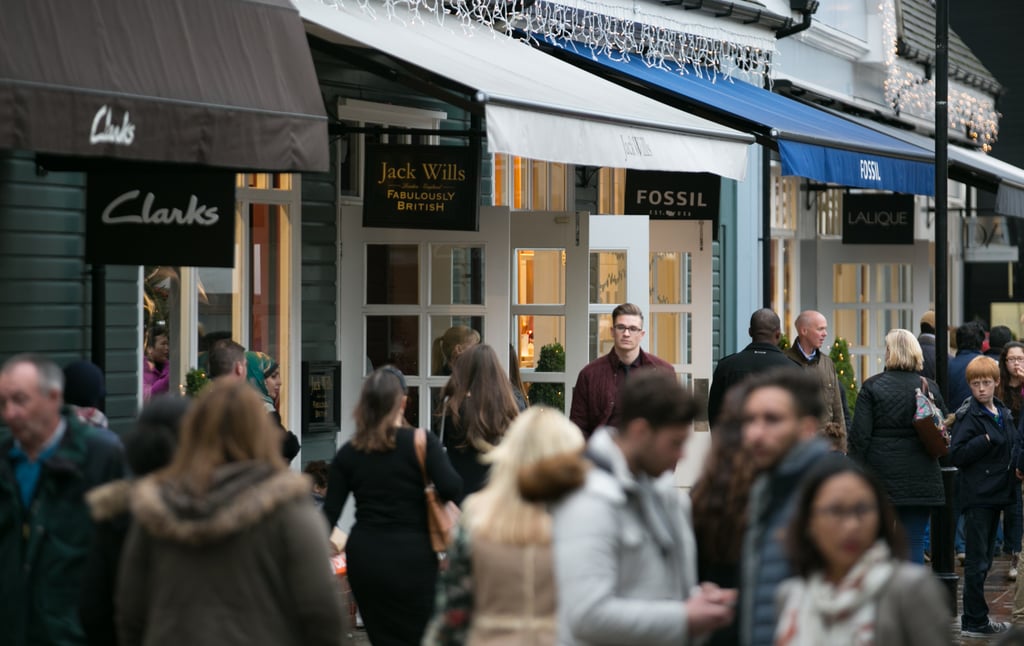
As China’s luxury shoppers have evaporated in Paris, Hong Kong and London – and that quirky Oxfordshire duty-free haven Bicester – they have exploded at home, in particular in Hainan, which was made a duty-free port in June 2020 and has seen its duty-free sales boom from US$2.19 billion in 2019 to US$9.4 billion last year, with a target of US$46.5 billion by 2025.
Advertisement
Advertisement
Select Voice
Select Speed
1.00x