Advertisement

The View
Surging Sentosa Golf Club membership price a sign of Asian private wealth’s influence in region’s real estate
- The dramatic increase in joining fees is indicative of Singapore’s emergence as an international wealth hub
- If this is any guide, Asian private wealth is set to become a more potent force in the region’s property market in the coming years
3-MIN READ3-MIN
3
Nicholas Spiro is a partner at Lauressa Advisory, a specialist London-based real estate and macroeconomic advisory firm.
Last year was a bloodbath in global markets. Every asset class, with the exception of commodities and the US dollar, took a beating. This year, a recession in parts of the world, including the United States, is a distinct possibility.
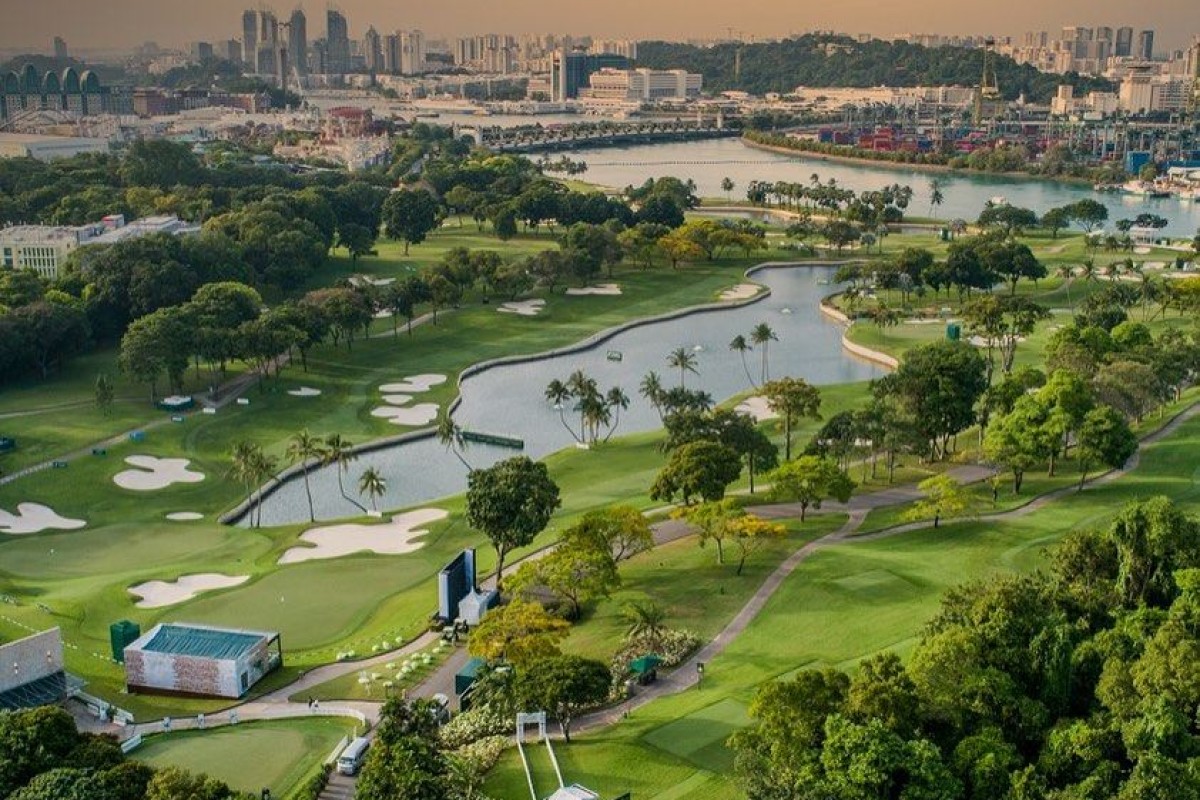
Yet, amid the wealth destruction, Sentosa Golf Club – Singapore’s most prestigious golf course – has never had it so good. The cost for an expatriate to join the exclusive club has more than doubled since the eruption of the Covid-19 pandemic to S$840,000 (US$637,000). For citizens and permanent residents, the membership price has shot up to S$500,000, up 90 per cent since the end of 2019, according to Bloomberg data.
The dramatic increase is indicative of one of the most conspicuous trends in Asian finance: Singapore’s emergence as an international wealth hub. According to data from Knight Frank, the number of ultra-high-net-worth individuals – those with at least US$30 million of net assets – in the city state surged 158 per cent between 2016 and 2021, to 4,206 and is set to rise a further 43 per cent by 2026.
Advertisement
Family offices – set up by investment managers to administer the assets of rich families – have proliferated, rising from 200 in 2019 to 800 early last year. Singapore’s political and economic stability, coupled with its neutral role in global affairs that allows it to serve as a financial centre for both Western and Chinese capital, has made it the “location of choice” for wealth management in Asia, a report by PwC published last September noted.
Many of the offices have been set up by mainland Chinese investors. The combination of the disruptions caused by Beijing’s zero-Covid policy, wealthy entrepreneurs’ search for a safe haven and the appeal of living and working in Singapore has led to a large influx of Chinese capital. “A stable political environment and currency gives people a sense of being fully protected,” said Derrick Tan, chairman and chief executive of WRISE Wealth Management in Singapore.
Chinese money has already made its presence felt in the city’s residential property market. According to data from OrangeTee & Tie, Chinese buyers – both foreign nationals and those with permanent residency – were the top foreign purchasers of non-landed properties last year, as well as the leading overseas buyers of luxury homes in prime districts.
Advertisement
Select Voice
Select Speed
1.00x