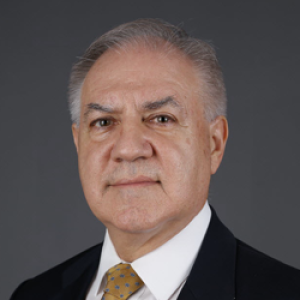
An oil chief heading COP28? Fossil fuel industry’s climate change schizophrenia is on full display
- Environment activists have decried the UAE’s nomination of Sultan Ahmed al-Jaber, CEO of an oil company, to lead the UN’s climate talks at the end of the year
- While al-Jaber is a seasoned diplomat and also heads a renewable energy firm, the oil industry’s environmental track record means scepticism about his role is understandable

But as head of the Abu Dhabi National Oil Company (Adnoc), one of the world’s largest oil producers, environmentalists see his appointment as “a breathtaking conflict of interest”.
That al-Jaber is also chairman of renewable energy firm Masdar, which has investments mainly in solar and wind energy across 40 countries, provides little comfort. While Masdar says it plans to invest US$30 billion in renewables by 2030, Adnoc’s board approved a US$150 billion five-year plan that includes increasing the company’s crude output capacity to 5 million barrels a day by 2027.
Under the plan, Adnoc will also pursue low-carbon solutions as part of a goal to achieve net zero emissions by 2050. However, the company’s website clearly says it has “a mandate to stay focused on exploring the UAE’s undeveloped oil and gas potential”.
In a speech last year, al-Jaber warned against trying to transition away from fossil fuels too quickly. Underscoring the need for “maximum energy, minimum emissions”, he said “the world needs all the energy solutions it can get”.