
Why Singapore, Seoul and Japan are defying the real estate downturn
- Singapore’s housing market and South Korea’s grade A office market are outperforming most others
- Japan, meanwhile, is benefiting from efforts to relocate supply chains away from China
There are many examples of resilience and outperformance in the global property industry. In residential markets, house prices in the United States hit a record high last month amid a rise in mortgage rates to their highest level since 2000. In commercial markets, industrial and logistics assets accounted for 37 per cent of global cross-border investment in the first half of this year, the highest half-year share on record, according to CBRE.
Yet, the ones that stand out are those that have stood the test of time or involve markets that are defying major trends in the global economy. Three of the biggest trend-defiers are in Asia, one of the reasons parts of the region’s real estate industry – particularly the office sector – have fared better than in the US and Europe.
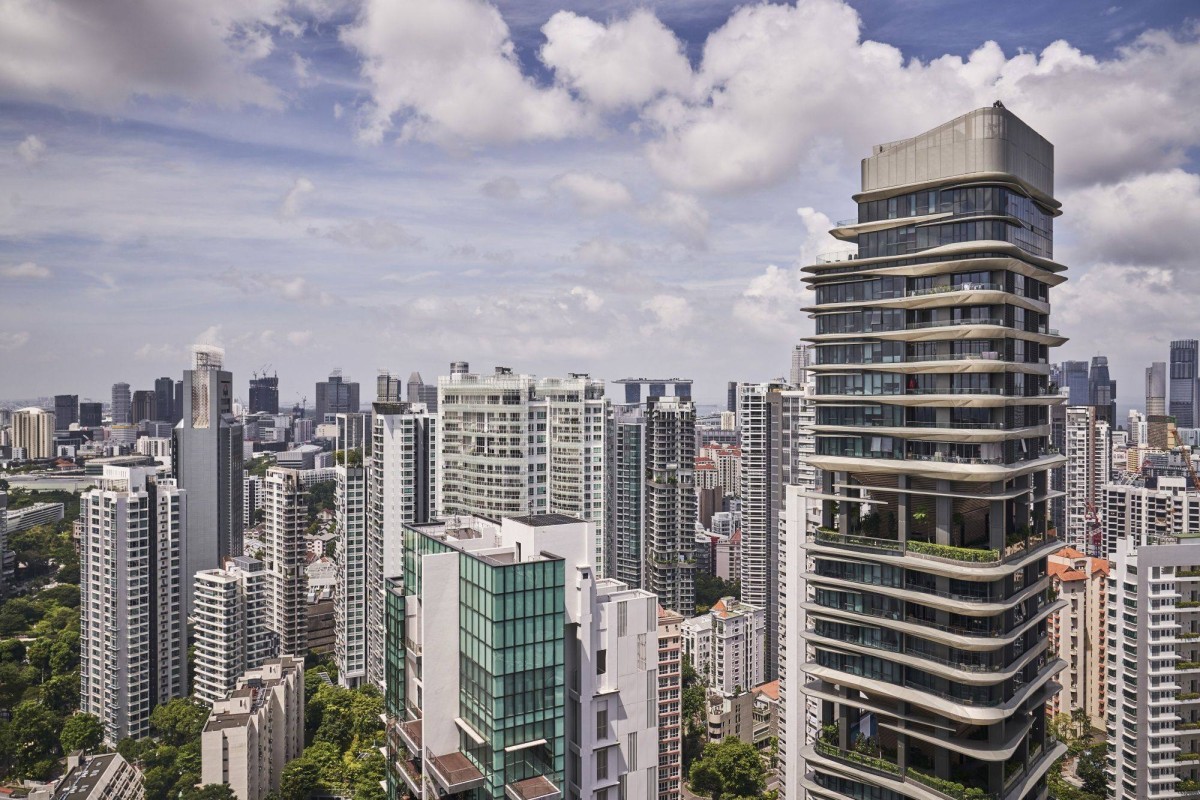
According to Knight Frank’s Global Residential Cities Index, home values in Singapore grew 7.5 per cent on an annualised basis in the second quarter of this year, the second-fastest rate among global gateway cities after Dubai. Singapore’s performance is all the more striking given that one-third of the 100 cities tracked by Knight Frank were still experiencing price declines.
While a number of factors are at work – the city state’s safe-haven appeal, pandemic-induced delays in construction and strong demand from Singaporeans – the one that is the most compelling is often viewed as the biggest threat to prices.