
Are Asia’s property markets too resilient for their own good?
- Compared to markets in the US and Europe, both prices and rental yields have been slow to adjust. As a result, affordability has taken a hit and investors are thinking twice
- Yet, amid fear of financial contagion elsewhere, Asia’s strong underlying fundamentals, especially in the commercial sector, are undoubtedly an asset
The turmoil in the United States commercial property industry – in particular the vulnerable office market – spread to Europe last week when the bonds of Germany’s Deutsche Pfandbriefbank, which specialises in real estate finance, plunged due to the lender’s exposure to the US market. Other German banks are under pressure as fears of financial contagion intensify.
In the residential sector, average prices in the secondary market in the main cities across the region have either rebounded or have continued to rise. In Knight Frank’s Global Residential Cities Index – a gauge of secondary home values in more than 100 cities – Hong Kong was the only major gateway city in Asia that experienced a decline in prices on both a quarterly and annual basis in the third quarter of last year.
Yet, this resilience has come at a price. In the residential market, affordability has deteriorated even further, partly due to the rebound or persistent increase in housing costs. It is bad enough that the portion of income required to service a new loan or lease has risen due to higher borrowing costs. Prospective first-time buyers, mortgage holders and renters have also had to contend with unexpectedly sharp increases in prices and rents.
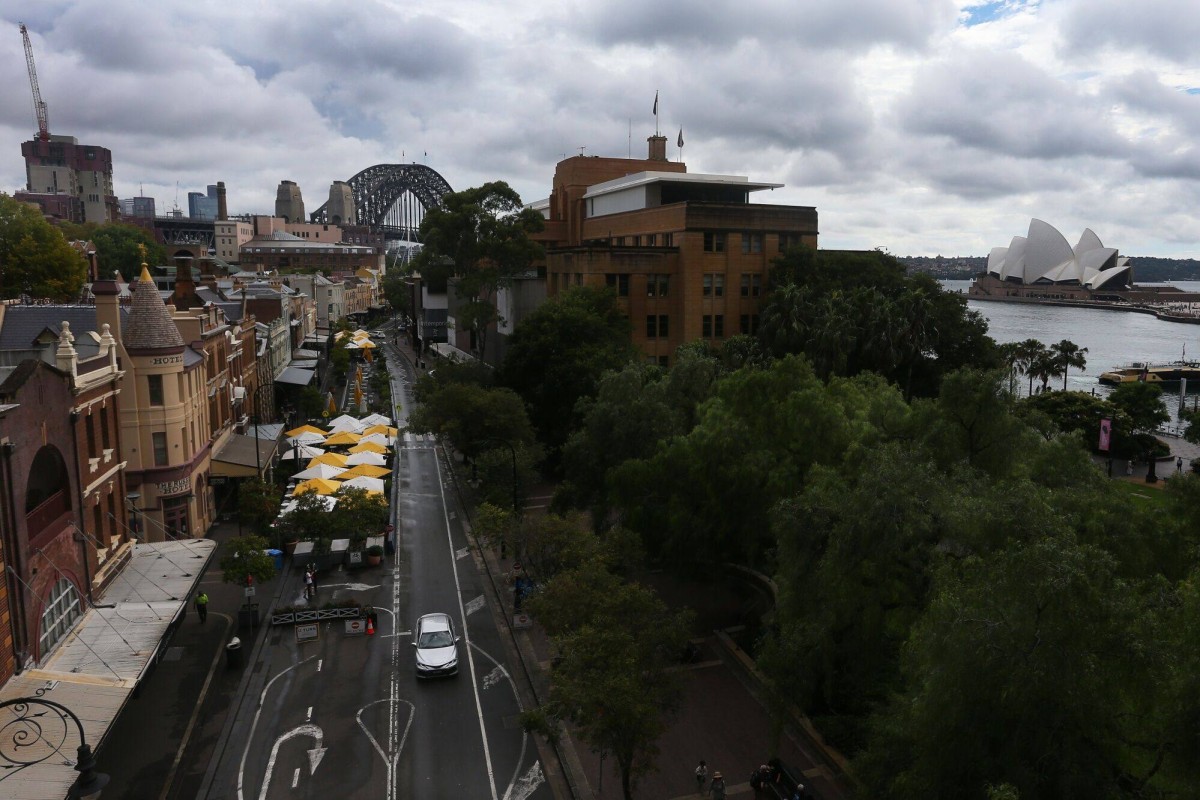
No other country epitomises the double-edged sword of housing market resilience more than Australia. Although prices initially fell 7.5 per cent in response to the Reserve Bank of Australia’s abrupt monetary tightening campaign, they recovered sharply last year and hit a fresh high last month.