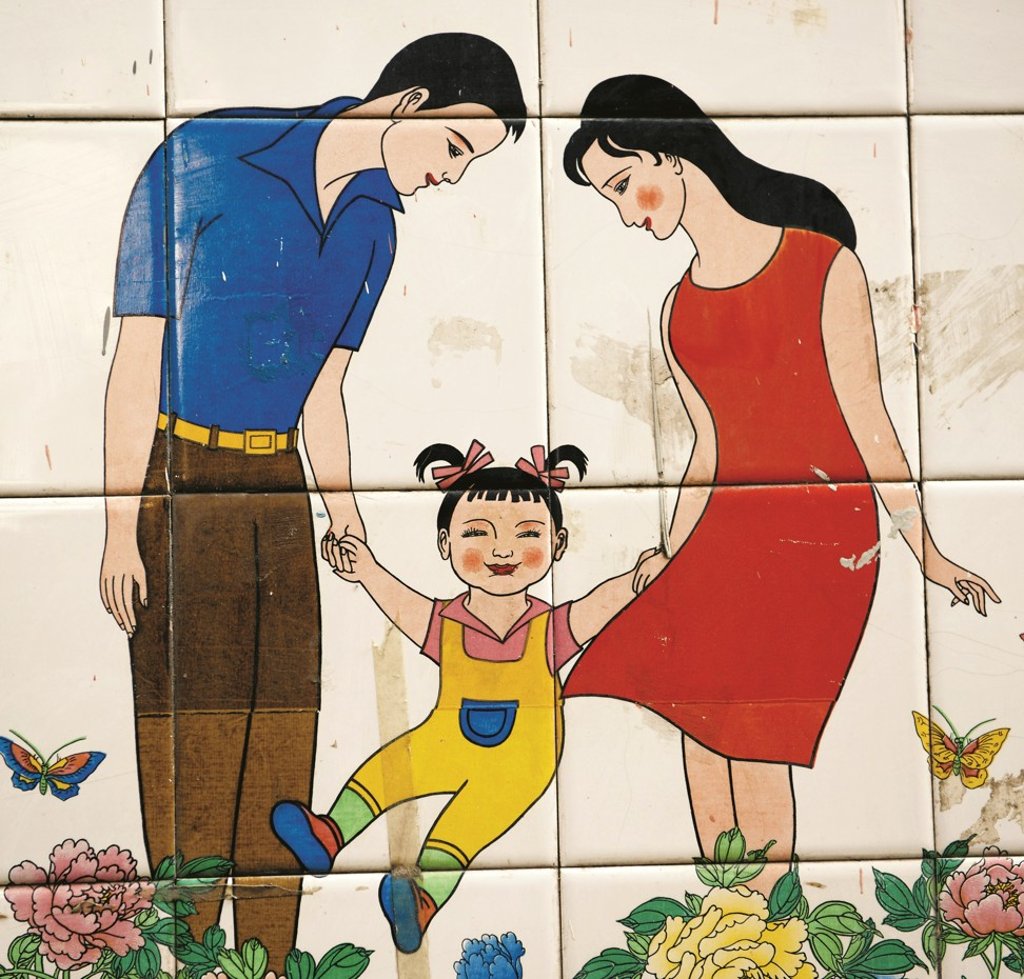
Little emperors to little slaves: how one-child policy will play out in China, according to author Mei Fong
Pulitzer Prize winner ponders the burden for only children of caring for their elderly parents, and talks about why publishers in Hong Kong and Taiwan wouldn’t touch her book One Child and why she funded its Chinese translation

“I was in the process of sending out media review copies of my book, so I was very fortunate – it’s possibly the only case of a foreign journalist to ever receive public relations from the Chinese Communist Party,” says Fong, speaking at Hong Kong’s Foreign Correspondents’ last month.
End of China’s one child policy sees births rise to 18.46 million in 2016 ... but it’s still not enough
One Child: The Story of China’s Most Radical Experiment, published by Oneworld Publications in January 2016, explores the implications of China’s longest-running and most radical experiment.
“It is essentially a human story about the cost of parenthood. What are these powerful emotions that govern the reasons why we have children and what happens when that is thwarted,” says Fong, who weaves her own personal story of parenthood – of miscarriage, IVF and twin boys – into the narrative.
Fong was in Hong Kong en route to Taiwan for the launch of the Chinese-language edition of the book.
Although One Child looks at a policy that is now history, its impact will continue to reverberate throughout China – and Hong Kong.