
What K-pop sex-and-drug scandals say about the dark reality that belies South Korea’s conservative values
- K-pop stars’ squeaky clean image and raunchy performances have always been incongruous, and are increasingly out of sync with the modern world
- Recent scandals reflect not only the dark side of the music industry, but of South Korea too
By David Tizzard
German sociologist Max Weber believed that modernity is defined not by technological or scientific developments, but rather a change in the way that people think. It involves ideas that are capable of both shaping and defining the worlds we inhabit.
A traditionalist society does not question things. It adopts a position in which the right of kings is accepted simply because that is the way it always has been. A reluctance to change grips people’s minds, leaving them in both a state of fear and submission.
A modern society, on the other hand, brings with it citizens who rationalise. The population questions authority, traditional cultures and practices, and is able to reflect on its own behaviour.
The past few weeks in South Korea has seen those two ways of thinking clash with the disturbing revelations of sexual abuse and malpractice by some of its formerly most beloved K-pop idols. How far this story reaches is as yet unknown, but some believe that it extends to lawmakers, politicians, police officials, and beyond.
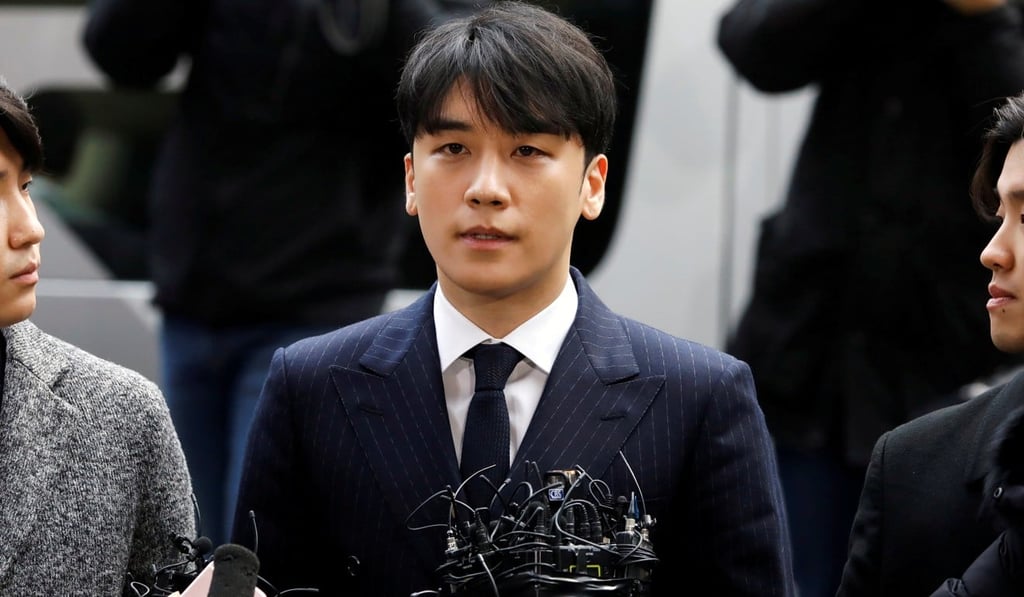
Kang Kyung-yoon, a reporter for South Korean television station SBS, brought to light a distressing and horrific chat room in which male pop stars including Jung Joon-young, Seungri and Yong Jun-hyung were found to have been sharing secretly recorded videos of them having sex with women, some of whom had been rendered unconscious with drugs.