More Hong Kong heritage being saved, but critics question uses it’s being put to
The government has taken a less passive approach to preserving old buildings, but legal and financial hurdles to saving heritage remain, and then there’s the issue of what to use the buildings for

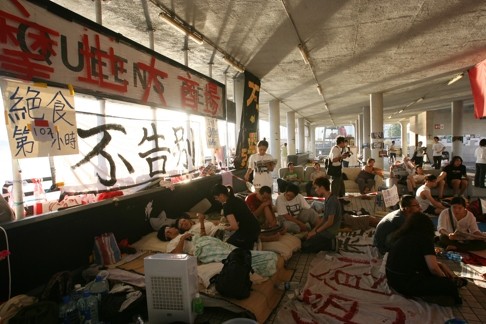
Carrie Lam Cheng Yuet-ngor, then Secretary for Development, responded to the fact that young people chaining themselves to the pier were obviously desperate to inherit some pieces of old Hong Kong. The Commissioner for Heritage’s Office was set up the following year; new infrastructure projects would have to assess their impact on heritage; and non-profit organisations have moved into vacated government properties under the Revitalising Historic Buildings Through Partnership Scheme or, simply, the Revitalisation scheme.
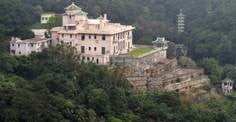
SEE ALSO: The different fates of two heritage buildings Hong Kong government saved
The legal and financial challenges in saving older buildings are daunting, and sometimes insurmountable. The government failed to save Ho Tung Gardens, built in 1927 by Sir Robert Hotung. Hotung’s granddaughter Ho Ming-kwan had asked to be paid HK$7 billion to keep it out of developers’ hands, a sum that the government deemed too high. The main building was demolished for development in 2013 and Ho sold the site in 2015 for HK$5.1 billion.
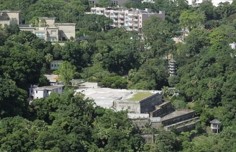
These are issues that have been in the news a lot recently. Carrick, the 128-year-old European-style mansion at 23 Coombe Road, has been taken over by the government for preservation after it cut a controversial land exchange deal with the owner, a Li Ka-shing-controlled company. A new batch of properties under the Revitalisation scheme have been earmarked for unconventional uses and are still awaiting approval from the Legislative Council after the Public Works Subcommittee gave the initial green light.
Each property has its own sensitivities: the plan to transform the former Fanling Magistracy into a youth leadership training centre has been criticised for being either too commercial or a potential political tool. The long-term financial sustainability of a news museum planned for the Bridges Street Market has been questioned. As for plans to make Haw Par Mansion into a music school, concerns have been raised over public accessibility and the fact that the school is linked to Sally Aw Sian, the original owner who sold the site to Cheung Kong Holdings for redevelopment in the first place.