Retro handsets, flexible devices: the future of phones will bend the rules
The return of Nokia and a new BlackBerry might tap an appetite for nostalgia, but the recent Mobile World Congress also showed us a glimpse of the future – super-thin and completely flexible displays

Are you bored with your phone? The industry clearly thinks you are, because 2017 is rapidly becoming known as the year of the novelty phone.
It all started with nostalgia. The Nokia 3310, a handset first sold back in the year 2000, is currently the most talked-about phone. In a stroke of genius bordering on madness, manufacturer HMD Global decided that resurrecting a 2.4-inch phone with polyphonic ring tones was a suitable way to announce the rebirth of the Nokia brand. Unveiled at the Mobile World Congress in Barcelona recently, the Nokia 3310 got a lot of attention – perhaps to the detriment of the brand’s Nokia 3, 5 and 6 budget handsets – but it wasn’t the only retro phone on show.
Could 2017 see the return to mobile dominance of BlackBerrys and Nokias?
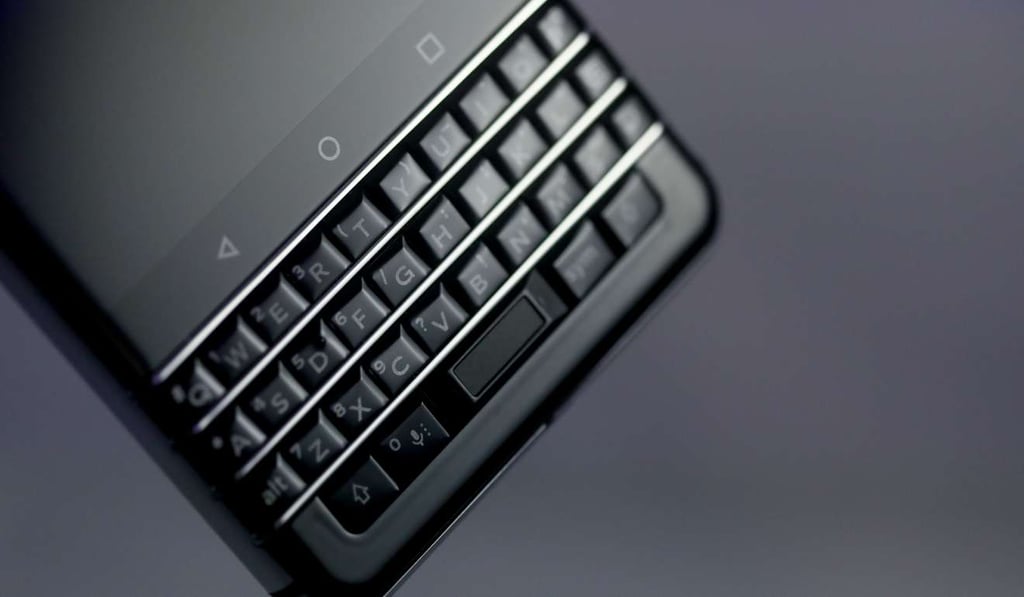
BlackBerry’s comeback as a brand has seen the launch of the KeyOne, a keyboard-endowed Android smartphone, which will certainly appeal to a niche. The KeyOne uses what looks like an old-fashioned hard-button keyboard, though its sensors allow all kinds of gestures and swipes.
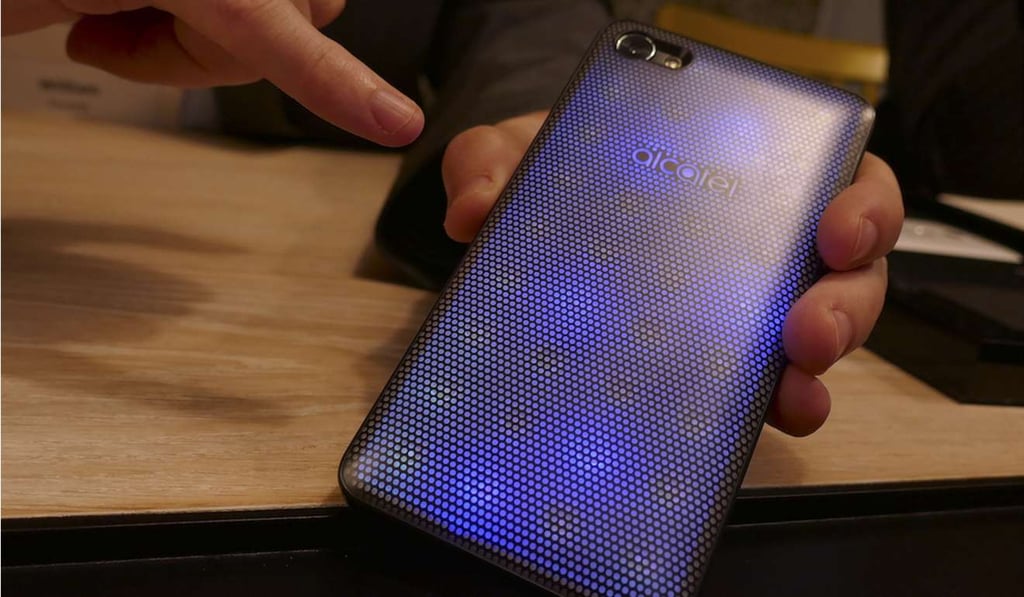
If incoming BlackBerry phones are more modern than they look, that’s not the case with Alcatel’s A5 LED, a phone whose LED-studded back cover makes it seem just as brave a concept as reviving a 17-year old feature-phone.