Hong Kong’s bike-sharing industry due for a shake-out, with six start-ups burning money and public opposition mounting
Entrepreneurs and global operators have rushed into the crowded bicycle rental business in Hong Kong, but all face issues of theft, vandalism, a lack of parking spaces and abandoned bikes that have angered the public

Bicycles left piled on top of one another or blocking paths, poor cycling etiquette, theft and vandalism have dogged Hong Kong’s bike rental start-ups – the latest addition to the city’s nascent sharing economy – over the past 12 months.
The problems are nothing new, having been seen with bike rental start-ups in China, many of which have gone out of business. According to the Transport Ministry, by February this year more than 20 had failed.
Among the casualties was Wukong Bicycle in the western metropolis of Chongqing, which folded in June last year amid reports that 90 per cent of its 1,200 bikes had gone missing.
Here’s how Wukong became the first bike-sharer to close in China
Now the Hong Kong market looks ready for a shake-out of its own.
Hong Kong-based GoBee Bike pioneered the concept in the city when it launched in early 2017. Little more than a year later, there are six start-ups renting out bicycles in Hong Kong, all of them competing for business in the city’s New Territories – an area much more rural than Hong Kong Island and Kowloon. Between them they have put more than 17,000 shared bikes on the roads.
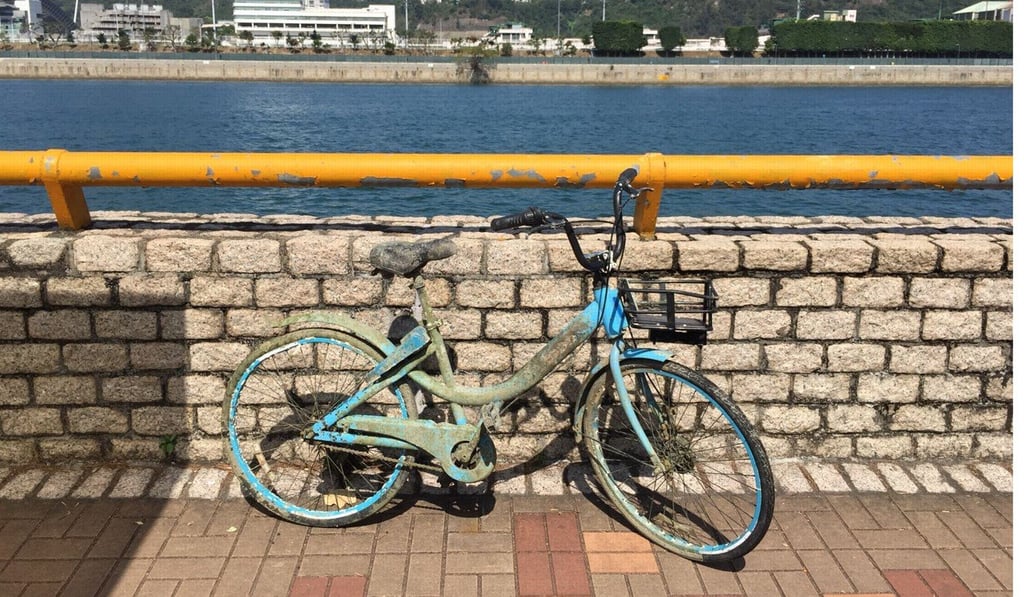
The Hong Kong operations of GoBee, which already this year has announced a withdrawal from France and Italy after large-scale theft and vandalism of its bikes, will reportedly be taken over by Ofo, the Beijing-based bicycle rental company that entered the Hong Kong market last December. The two are the biggest players in Hong Kong, controlling 10,000 bikes between them.
Industry players say the current operational model – relying on dockless parking – makes the business unsustainable because users can park bikes anywhere, something which has stoked publichostility towards these services.