Five facts about Hello Kitty, China and Hong Kong tourism ambassador and marketing queen
Japan’s ubiquitous ambassador of cute and merchandising has been with us since 1974, believe it or not

If Hello Kitty had a mouth, the first word to pop out of it would surely be “why”? Swiftly followed by “how?”
Why, as in why do so many people around the world (from kids in London to young Hong Kong women clutching Chanel bags) go gaga for Japan’s global icon of cute who entered the world in 1974 courtesy of Sanrio, the company guilty of producing products focusing on the country’s kawaii (cute) popular culture.
And how the heck did she manage to build a billion-dollar empire (by 2014, when she hit 40 years old, she was worth about US$7 billion annually) on her – let’s be honest – pretty basic face covering everything from guitars and video games to toasters and televisions.
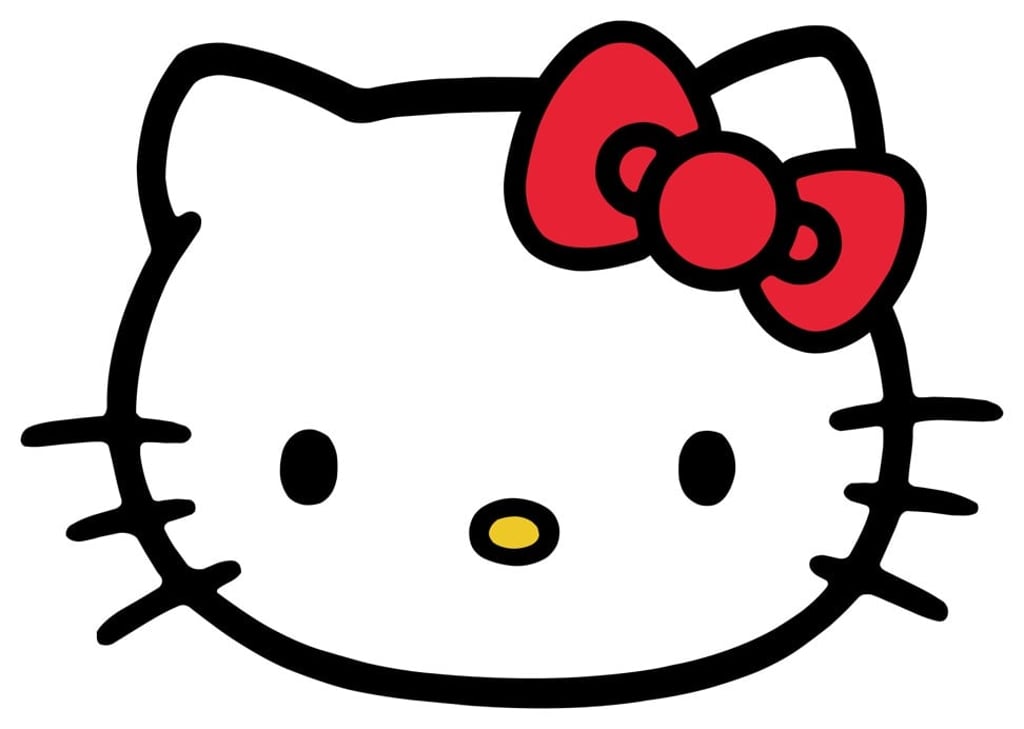
The move was not only a genius way to boost visitors under the “Visit Japan” campaign but was also the first time a non-human had been given an official ambassadorial role – go Kitty.
Not everyone was impressed. Oxford University professor of Japanese sociology Dr Sharon Kinsella at the time called it “a bit farcical”; “as if a dumbed-down cultural icon … can somehow do something significant to alter the gnarly and difficult state of China-Japan relations”.