How 10 Asian shopkeepers took on the Sicilian mafia in Palermo and rebuilt their neighbourhood
- After mafioso Emanuele Rubino shot a Gambian immigrant in the head, the Bengali shopkeepers refused to pay extortion money
- Despite numerous threats, they refused to bow down, seeking legal recourse through the courts

On a hot afternoon in Palermo’s Ballaro market, Bengali shopkeeper Anwar Hussein Ahmed places a handful of okra into a plastic bag for an African woman in an elegant yellow head wrap.
The streets near his store, in the heart of the market, are a swirl of human activity. The air is heady with the aroma of Sicilian culinary staples such as arancini (risotto balls) and fried sardines. Ahmed, however, peddles ingredients unheard of in a traditional Italian kitchen.
“I sell cassava, fufu [a starchy West African staple], okra, ghee and spices,” he says, adding that most of his customers are Bengalis from Bangladesh, and from Ghana and Nigeria.
For years Ballaro was a poor, neglected neighbourhood, and a hotbed of the Sicilian mafia. Not everything has changed. Around the corner from Ahmed’s store, young men deal drugs openly on the street. Others deliver suspicious packages on mopeds that they ride furiously through the historic backstreets.
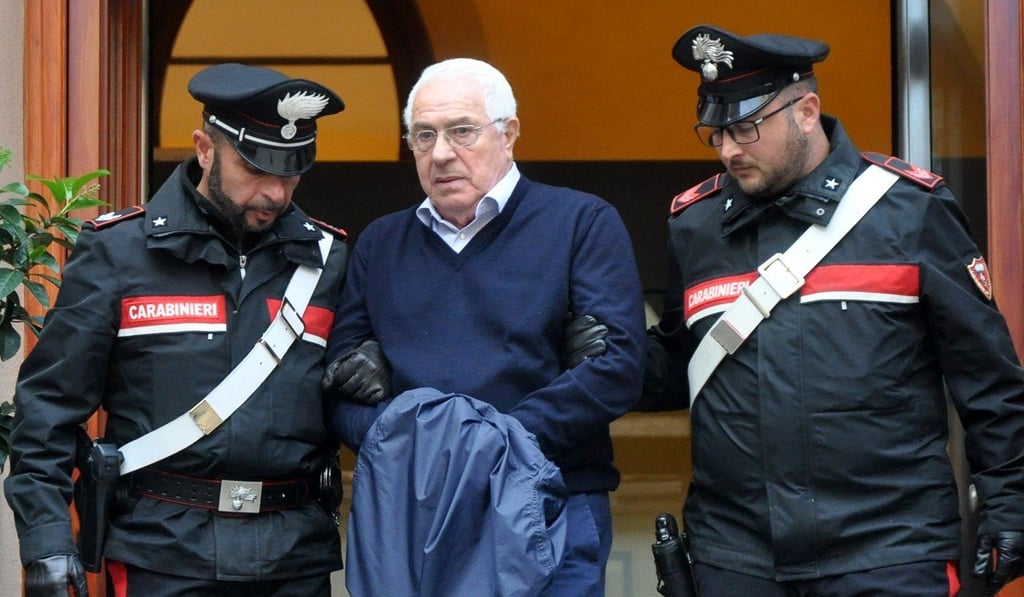
Then, in early December, “Godfather” Settimino Mineo was arrested along more than 40 other suspected gangsters on charges ranging from extortion to arson and possession of weapons. The arrests dealt a huge blow to the mob, but Sicilian authorities have not always moved quickly to deal with the scourge.
In the southern Italian island today, the most spirited opposition to the mob is perhaps not the authorities or police, but humble migrants in the old Ballaro market.