New method to combat illegal wildlife trade reveals whether animals were raised in captivity or captured from the wild
- University of Hong Kong scientists can now tell whether songbirds for sale at markets were wild-caught by the molecular fingerprint on their flesh and feathers
- Other projects include mapping global pangolin trading routes, an app that recognises endangered fish, and using drain water to identify species in wet markets

Dr Caroline Dingle is used to the sight of terrified songbirds for sale in Hong Kong markets, and it’s clear which ones are not used to being in captivity.
“They bang themselves on the sides of the cage trying to get out,” says the evolutionary ecologist and head of the Conservation Forensics Laboratory at the University of Hong Kong (HKU).
“On any given day there are about 1,000 exotic birds for sale as pets [in the city]”, she adds, and the trade is “quickly emptying the forests of Southeast Asia of songbirds”.
Most of this trade in Hong Kong is above board, but the sale of certain wild-caught bird species is illegal or requires permits. To skirt the rules, however, some vendors pass off wild-caught birds as captive-bred. To tackle this problem, Dingle’s forensics lab is developing ways to determine the origins of individual birds and help identify those traders who break the law.
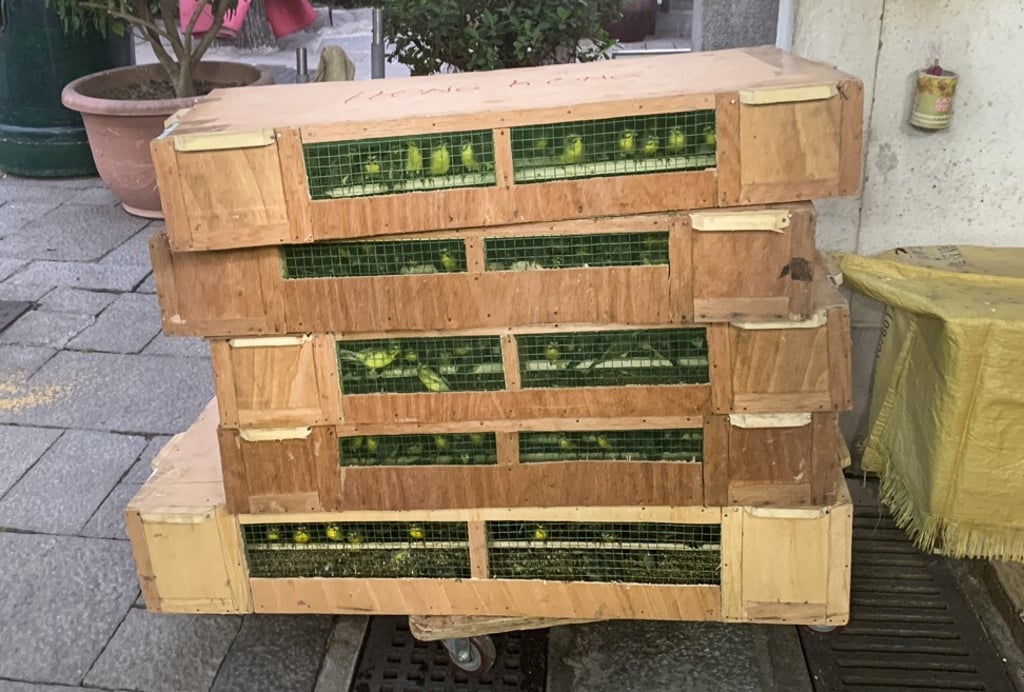
Hong Kong is a global hub for the illegal wildlife trade. More than 15,000 tonnes (16,500 short tons) of plant and animal products have been smuggled through the city in the past five years, according to “Trading in Extinction – The Dark Side of Hong Kong’s Wildlife Trade”, a 2019 report by the philanthropic ADM Capital Foundation.